In This Blog:
- Our Journey Beyond Cairo
- El Fayoum
- Geography
- Historical Background
- Wadi al-Hitan: Valley of the Whales
- Photographic Journey
- Alexandria
- Geography
- Historical Background
- Photographic Journey
- Two Different sides of Egypt
- Pink Bear Retirement Vacation Rating
- Final Thoughts and Tips
Our Journey Beyond Cairo
Although Cairo was the focus of our time in northern Egypt, we also had the opportunity to travel beyond the city and experience two very different sides of the country. Our visits to El Fayoum and Alexandria gave us a broader view of Egypt’s landscapes, history, and culture.El Fayoum offered a quieter and more rural experience, with agricultural land, desert scenery, ancient sites, and a way of life that felt far removed from the busy streets of Cairo. Alexandria, in contrast, was a lively Mediterranean city shaped by centuries of Egyptian, Greek, and Roman history.These excursions allowed us to see that Egypt is much more than its famous pyramids and temples. From the peaceful scenery of El Fayoum to the historic coastline of Alexandria, each destination added a different perspective to our journey and helped us better understand the diversity of the country.
El Fayoum
Geography
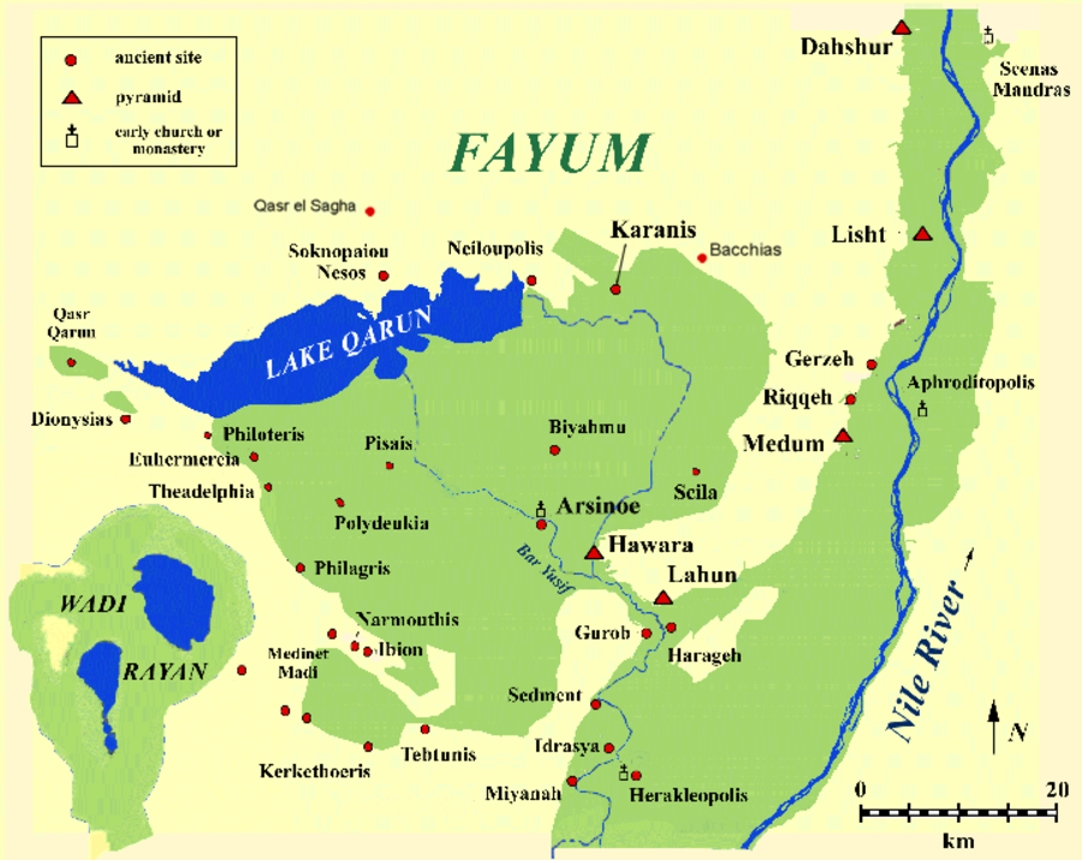
El Fayoum is a fertile, oasis-like region located in a natural depression in Egypt’s Western Desert, southwest of Cairo. Unlike most traditional oases, it receives water from the Nile through the Bahr Youssef canal, which supports its farmland, villages, and abundant plant life.
Thousands of years ago, much of the depression was covered by a much larger body of water known as Lake Moeris. As water levels gradually changed, the lake became smaller, leaving behind the present-day Lake Qarun in the northern part of the region. This ancient connection to the Nile helped transform El Fayoum into one of Egypt’s oldest and most productive agricultural areas.
Historical Background
El Fayoum has been inhabited since prehistoric times and is considered one of Egypt’s oldest settled regions. Its fertile land and connection to the Nile made it an important agricultural center for thousands of years.
The area became especially significant during Egypt’s Middle Kingdom, when rulers of the 12th Dynasty improved canals, drainage systems, and irrigation. These projects helped control the water entering the Fayoum depression and made more land available for farming. Several pharaohs also built monuments nearby, including the pyramids at Hawara and El Lahun.
During the Ptolemaic period, beginning in the fourth century BC, the region was further developed and settled by people from both Egyptian and Greek backgrounds. Its principal ancient city was known as Crocodilopolis because residents worshipped Sobek, the crocodile god. The city was later renamed Arsinoë.
El Fayoum continued to prosper under Roman rule. The region is particularly famous for the Fayoum mummy portraits—realistic painted portraits placed over the faces of mummified individuals. Most date from approximately the first through third centuries AD and reflect the blending of Egyptian, Greek, and Roman traditions
Key Facts:
- El Fayoum lies southwest of Cairo and is connected to the Nile by the Bahr Youssef waterway.
- It is one of Egypt’s oldest agricultural regions.
- Modern Lake Qarun is the remaining portion of the much larger ancient Lake Moeris.
- The region contains ancient sites associated with pharaonic, Greek, Roman, Coptic, and Islamic history.
- Crocodilopolis was an important center for the worship of Sobek, the ancient Egyptian crocodile god.
- The Hawara and El Lahun pyramids were built in the wider Fayoum region during the Middle Kingdom.
- The famous Fayoum mummy portraits are among the best-preserved examples of painted portraiture from Roman Egypt.
- Wadi al-Hitan, or Whale Valley, contains important fossils showing how early whales developed from land-dwelling mammals. It became a UNESCO World Heritage Site in 2005.
Map Visual:
Pink Bear found a nice map.
Wadi Al-Hitan: Valley of the Whales
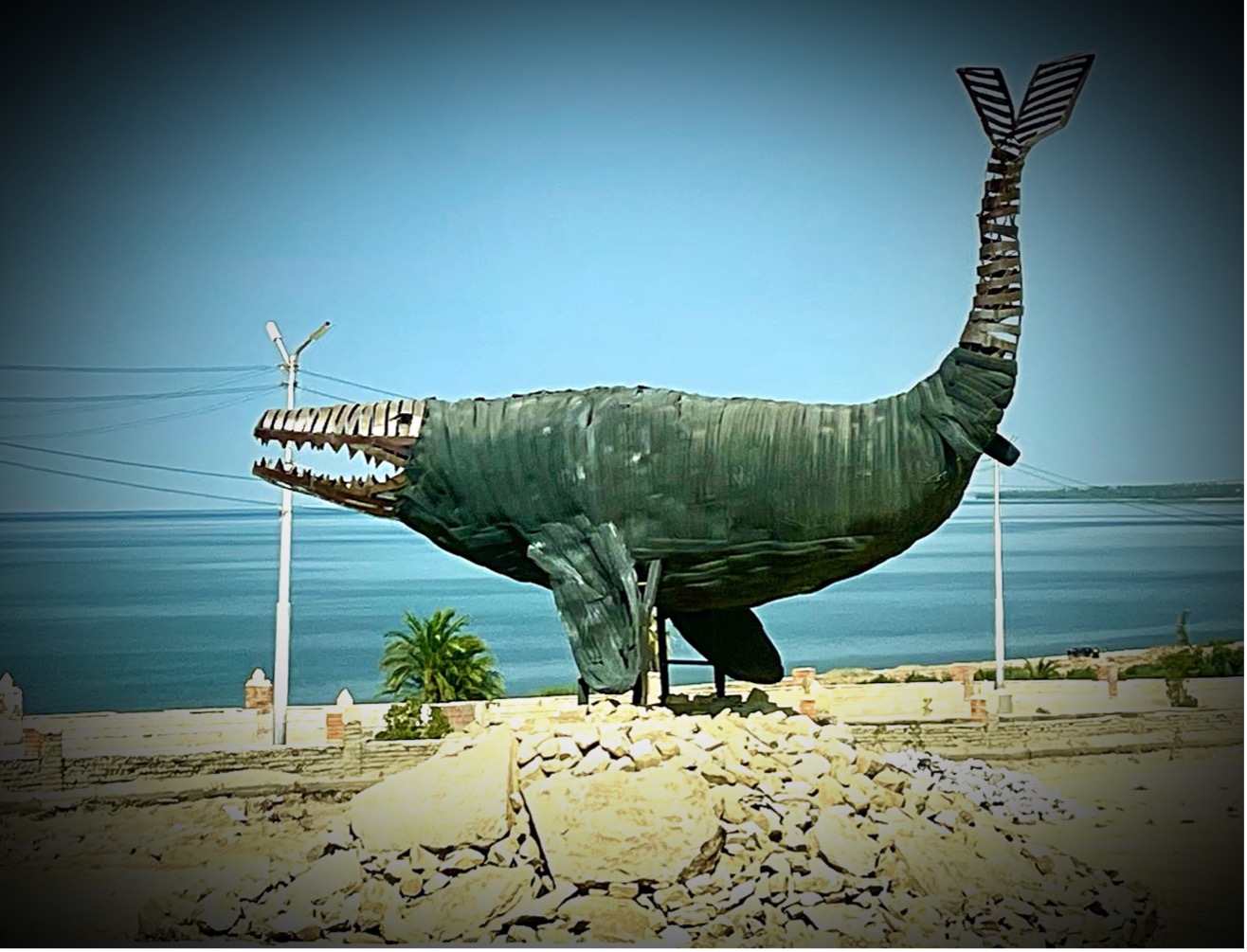
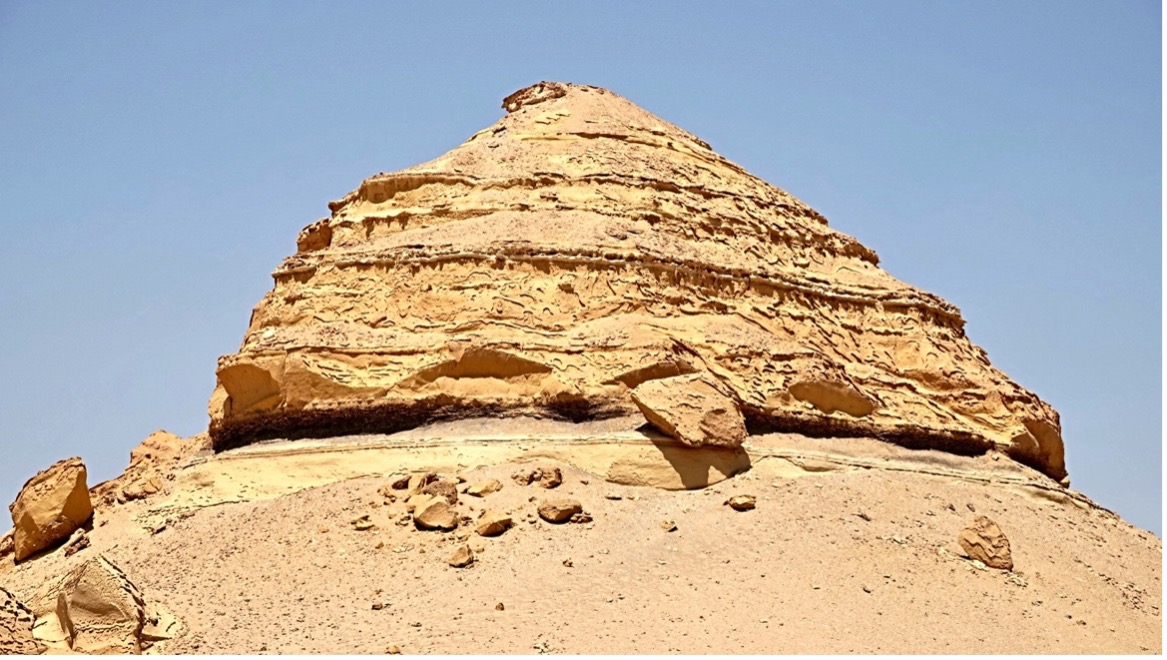
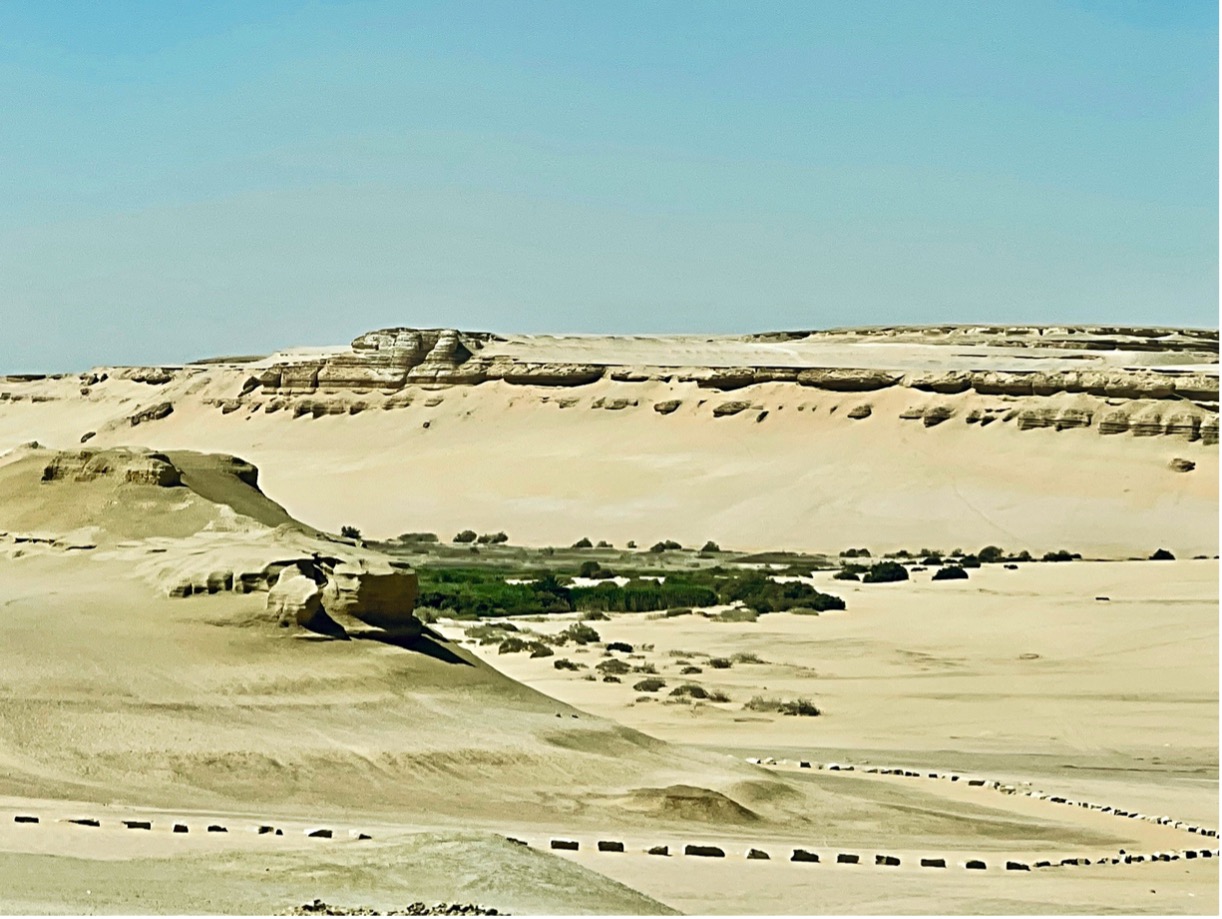
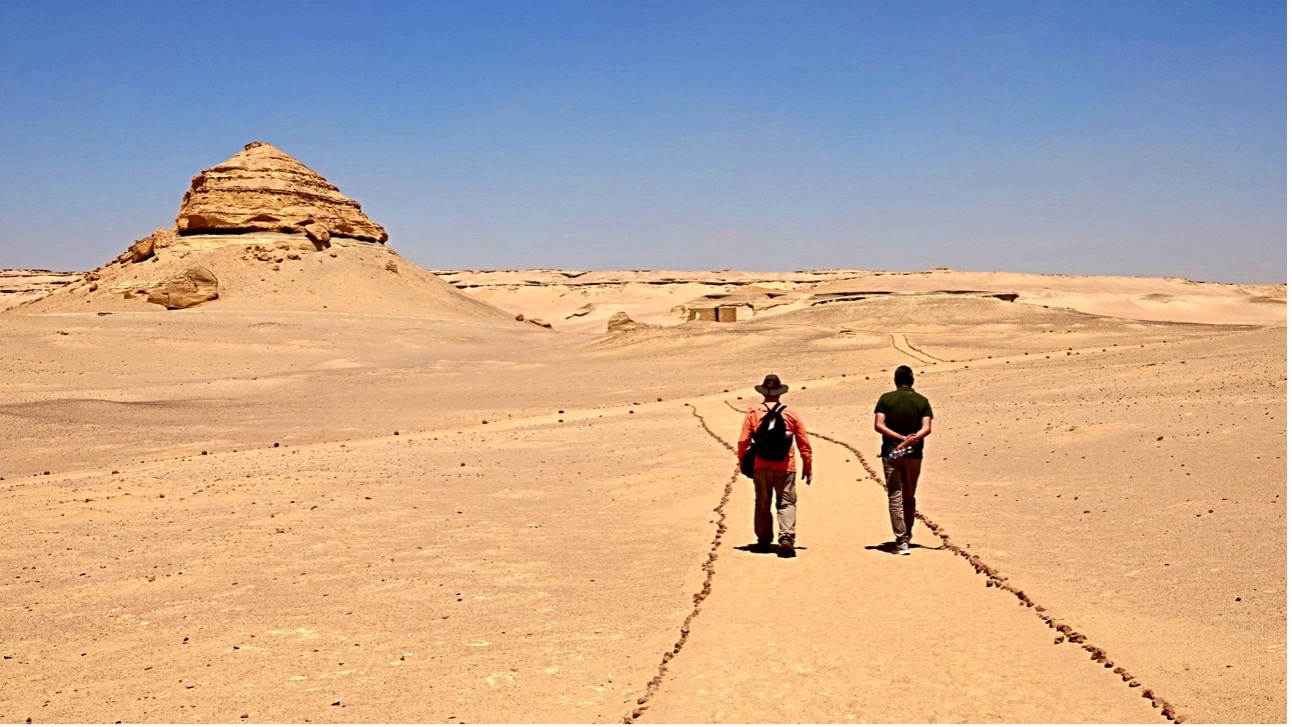
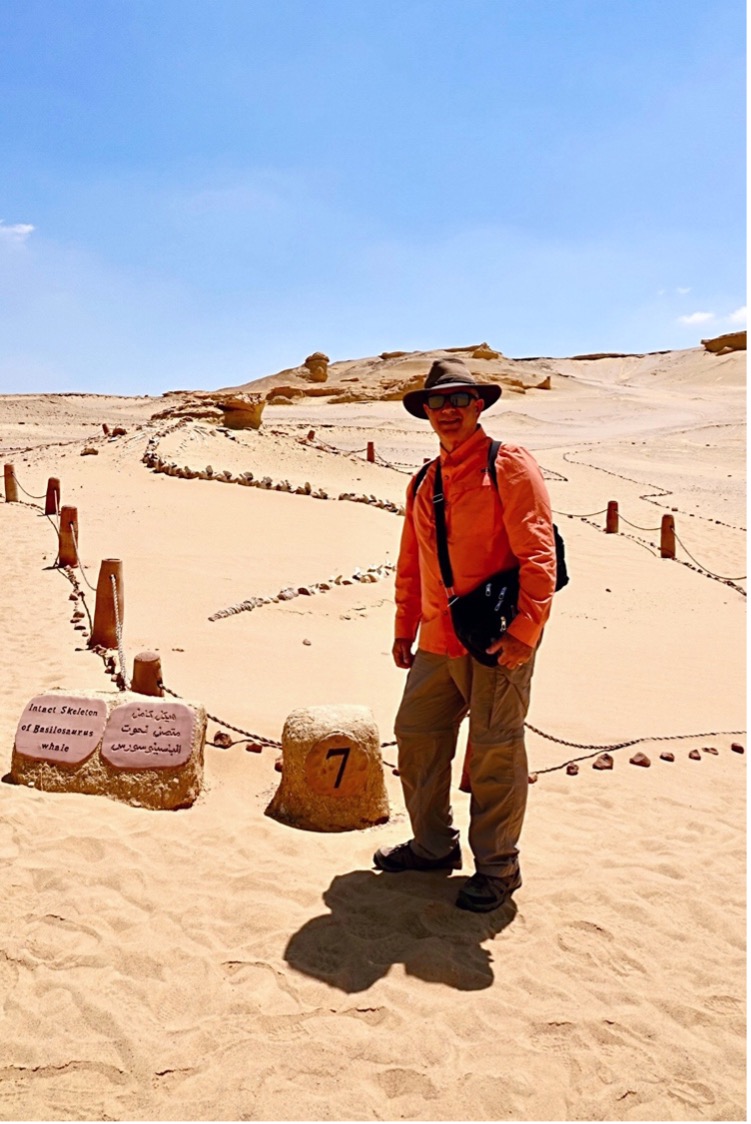
Located in the desert west of El Fayoum, Wadi Al-Hitan—meaning Valley of the Whales—is one of Egypt’s most remarkable natural sites. Although the landscape is now dry and desert-like, approximately 40 million years ago this area was covered by a warm, shallow sea.
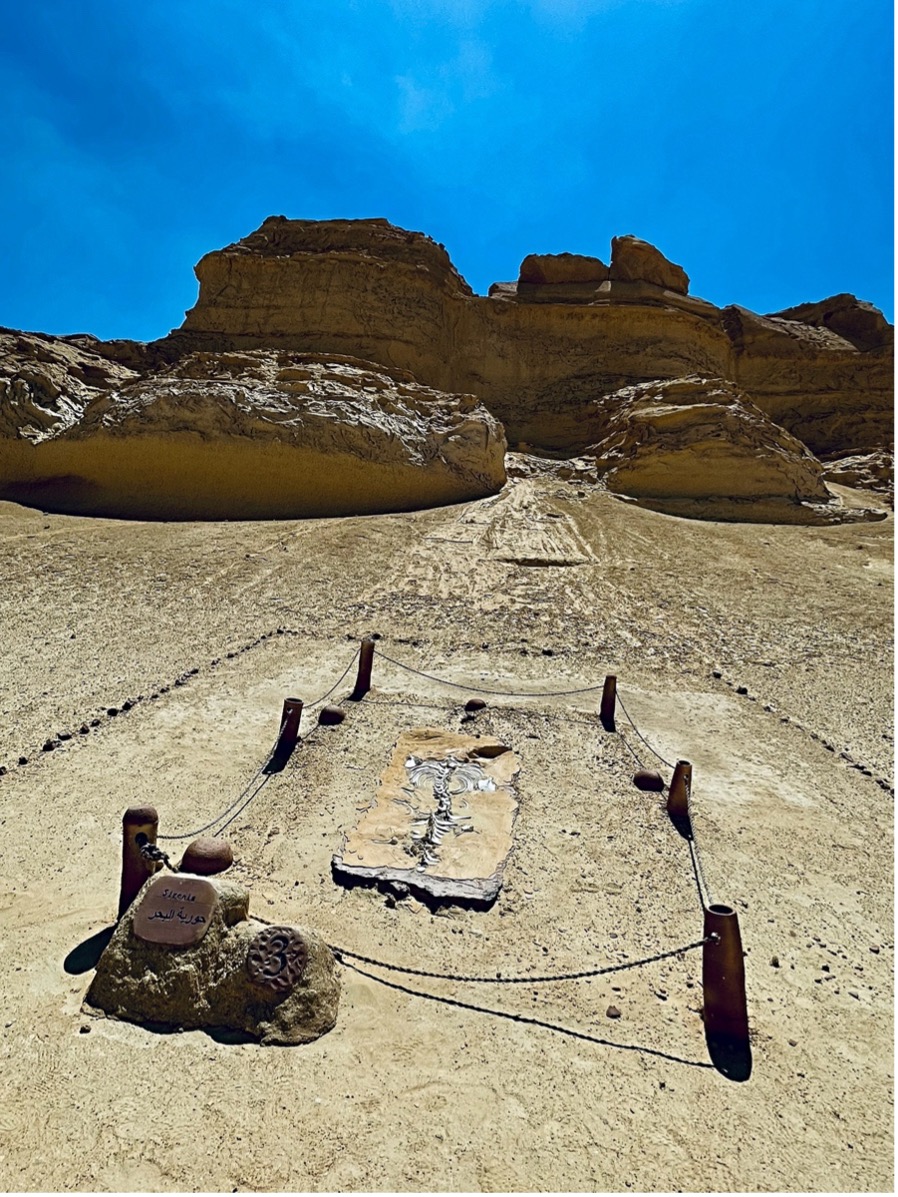
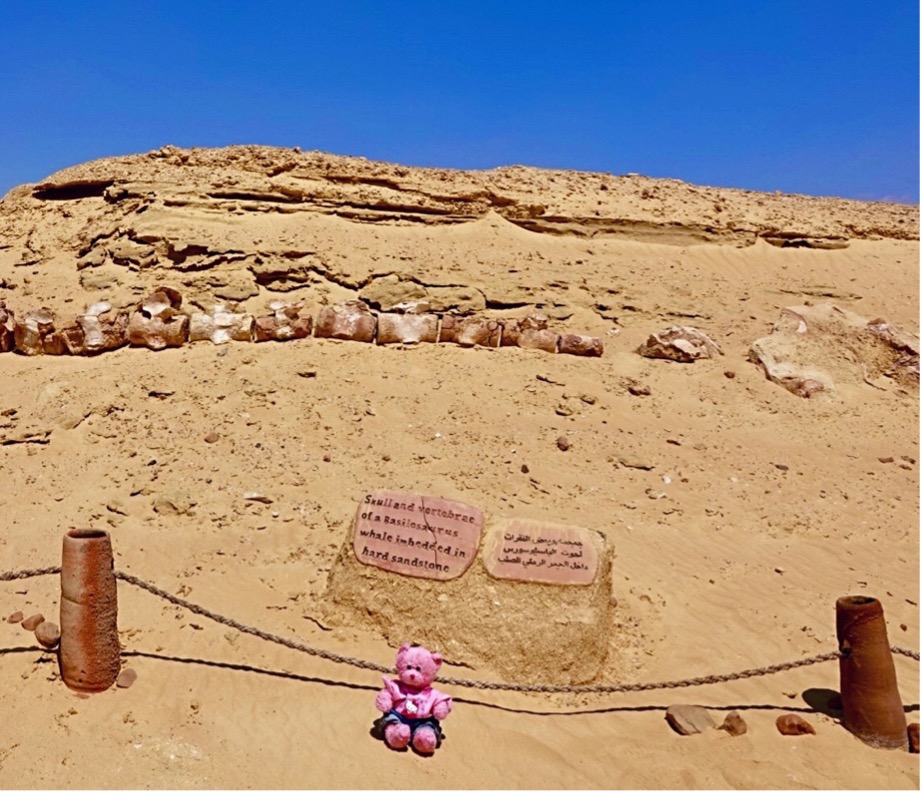
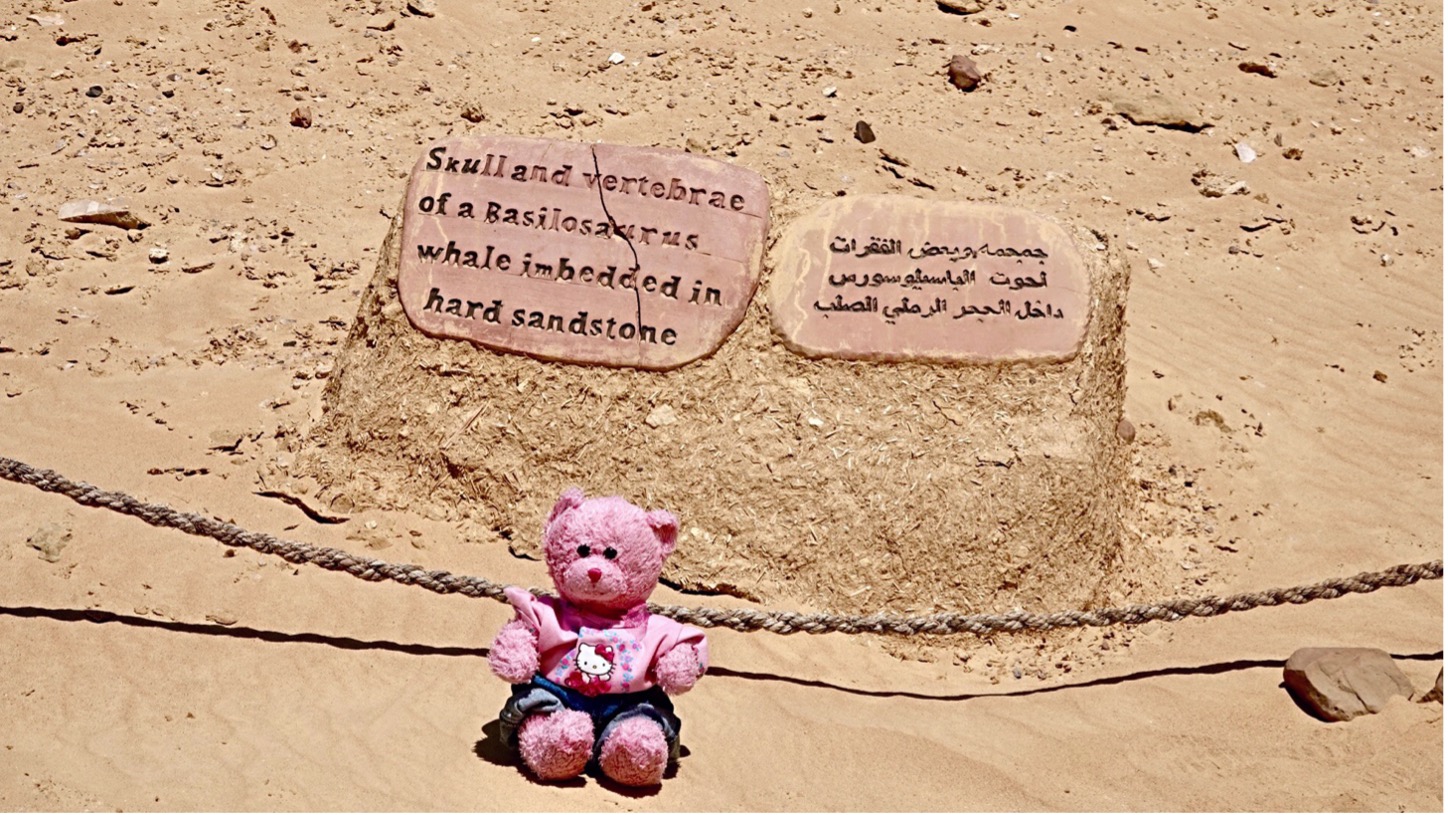
The valley contains an extraordinary concentration of fossilized remains from ancient whales. These early whales lived during an important stage in whale evolution, when their ancestors were changing from land-dwelling mammals into animals adapted to life in the ocean. Some of the fossils still have small hind limbs, providing visible evidence of this transition. The site also contains fossils of other ancient marine life, helping scientists reconstruct the environment that once existed here.
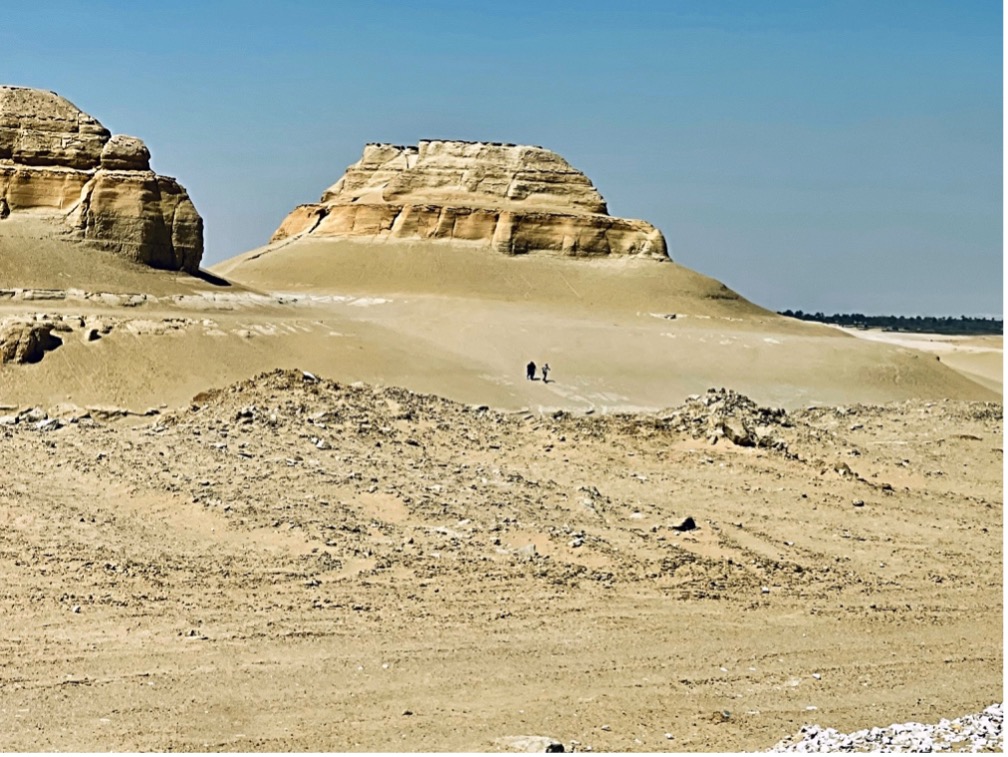
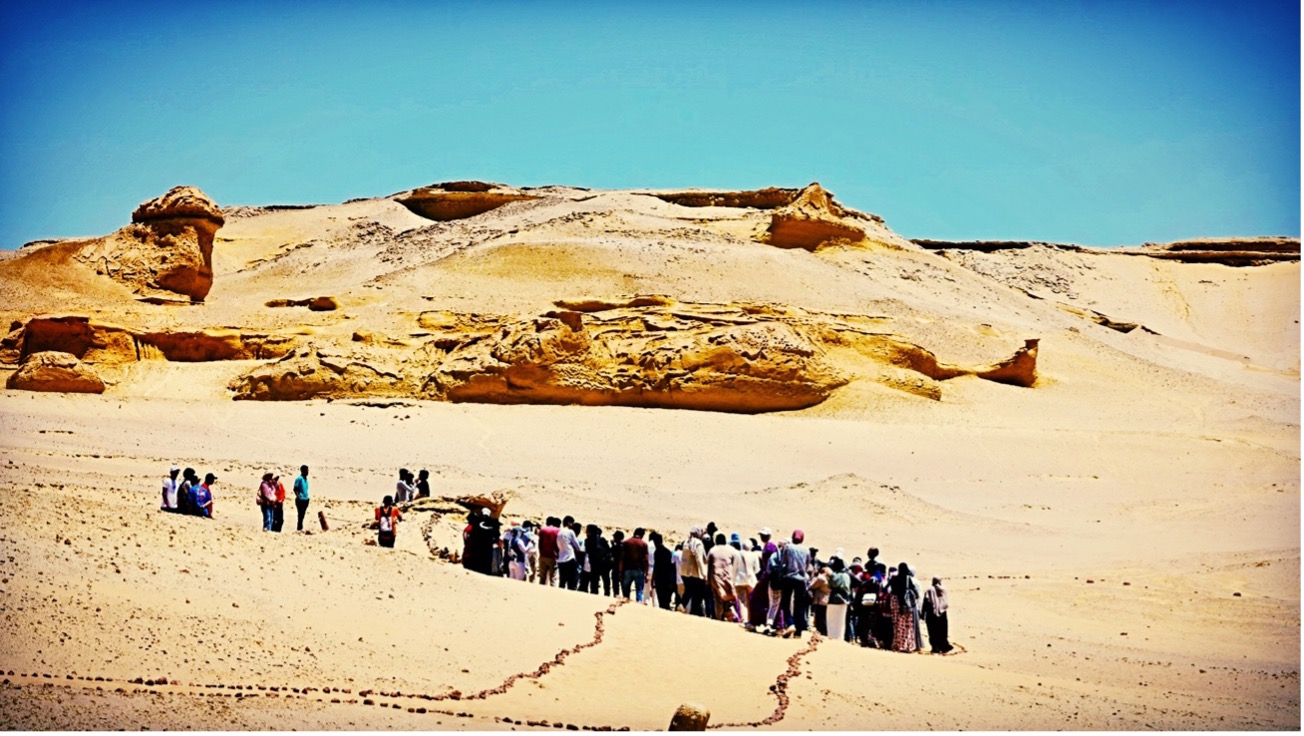
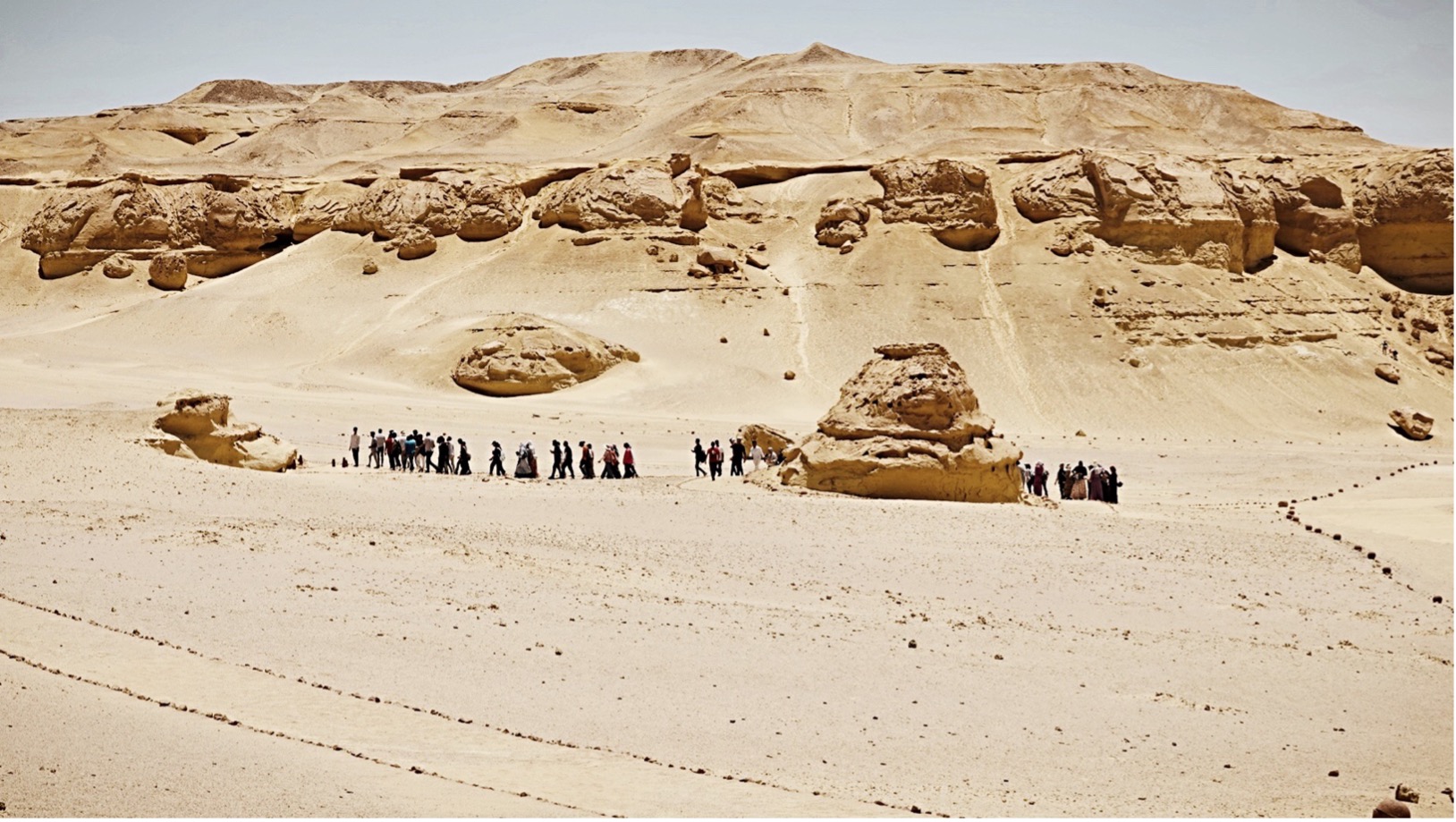
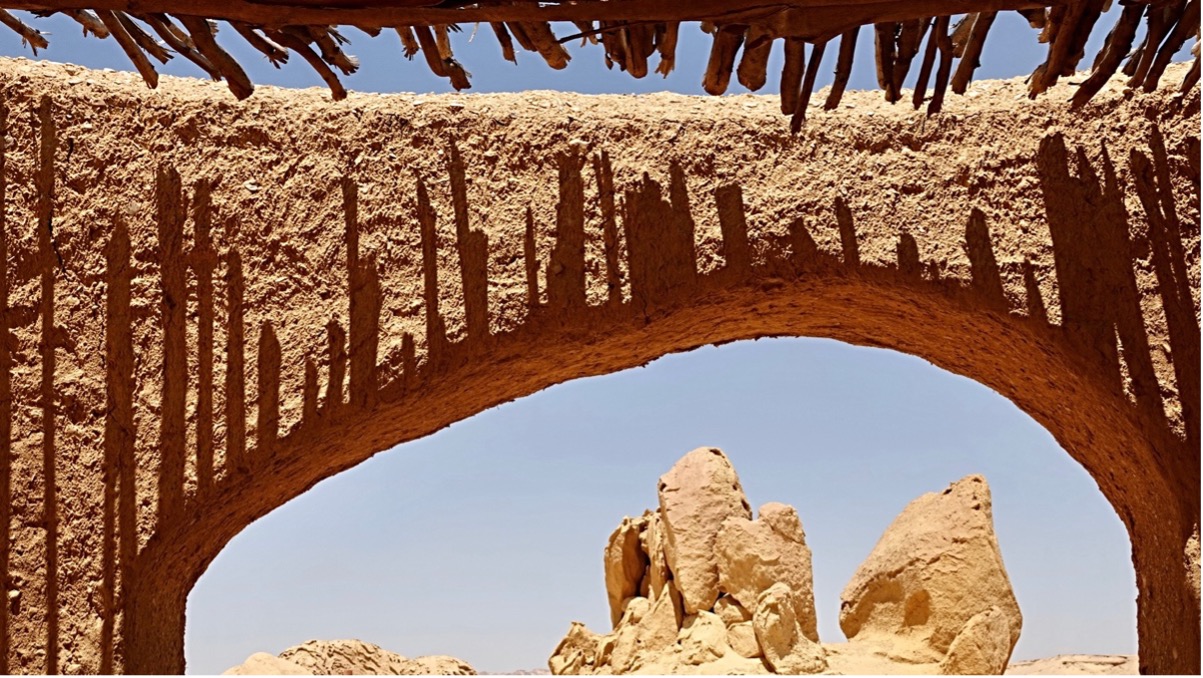
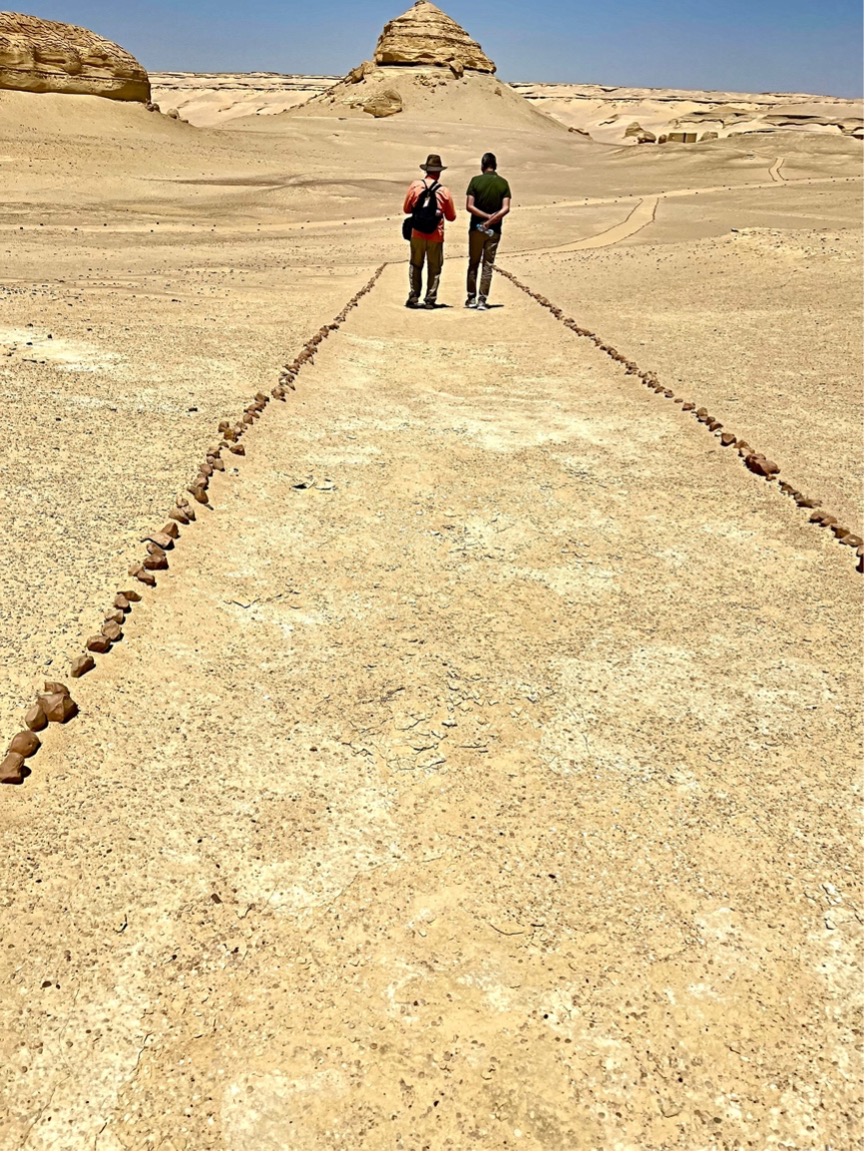
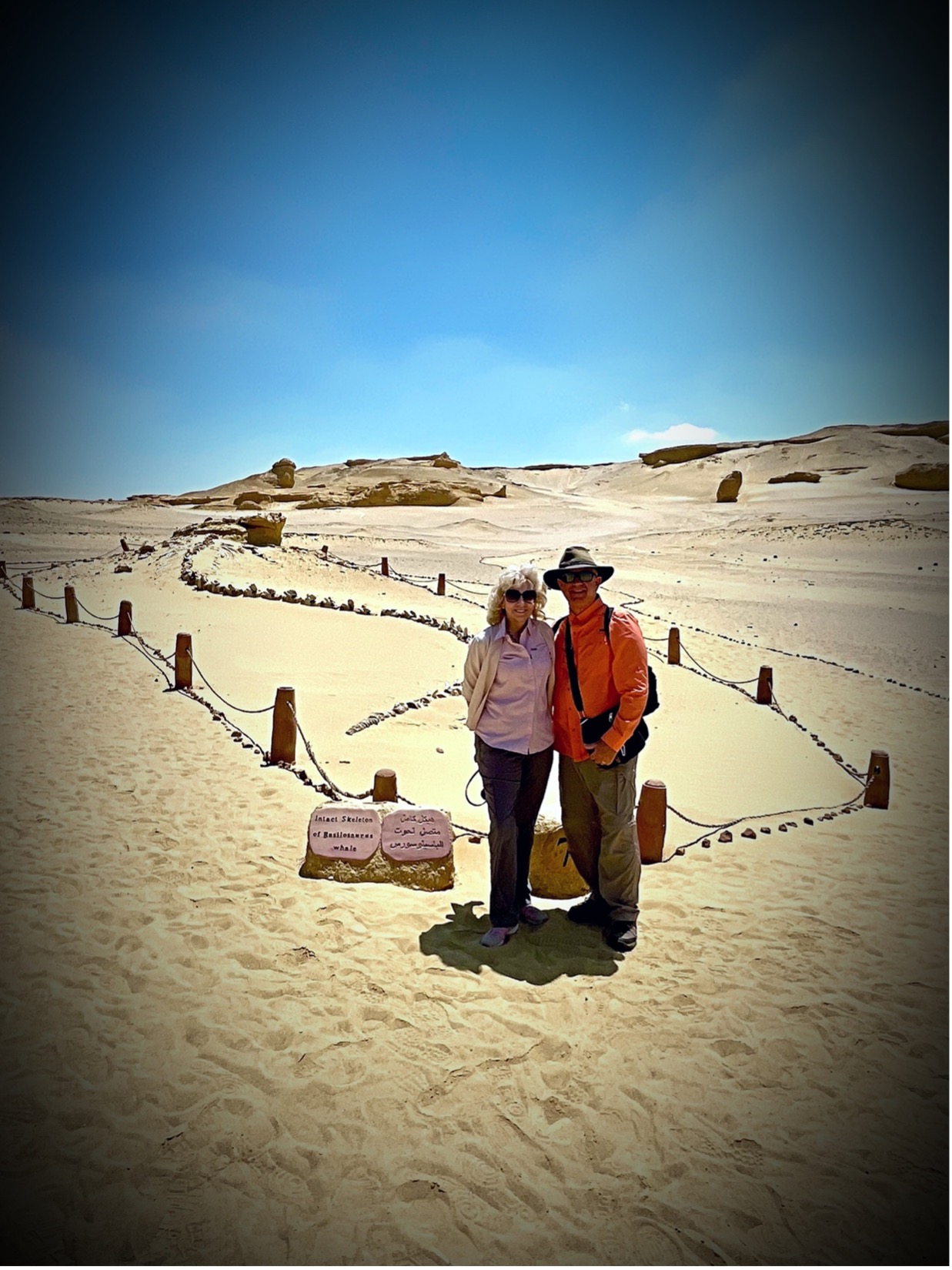
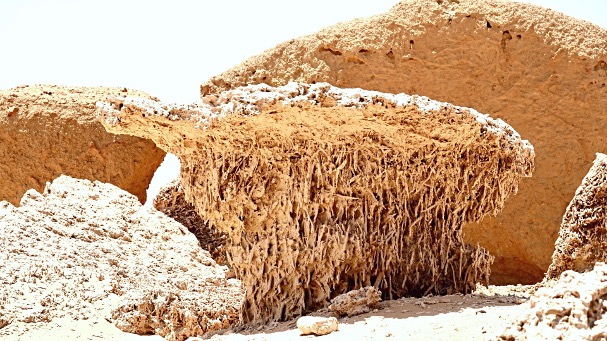
Wadi Al-Hitan is especially significant because many of the skeletons are unusually complete, well preserved and visible in the landscape where they were discovered. Visitors can follow walking trails through the desert to see fossilized whale vertebrae, skulls and other remains displayed in their natural surroundings. The dramatic rock formations and wide-open desert scenery make the area feel like an outdoor museum.
The fossil beds were first scientifically documented in the early 1900s, although major research and conservation efforts came later. In 2005, Wadi Al-Hitan was designated a UNESCO World Heritage Site because it contains some of the world’s most important evidence explaining the evolution of whales. UNESCO describes the number, quality and accessibility of the fossils as exceptional.
Our Photographic Journey to El Fayoum and Wadi Al-Hitan
Our day trip to El Fayoum was a refreshing change from the bustling city of Cairo. Our driver Omar and guide Zenaty picked us up at the Sheraton and we headed out of Cairo.
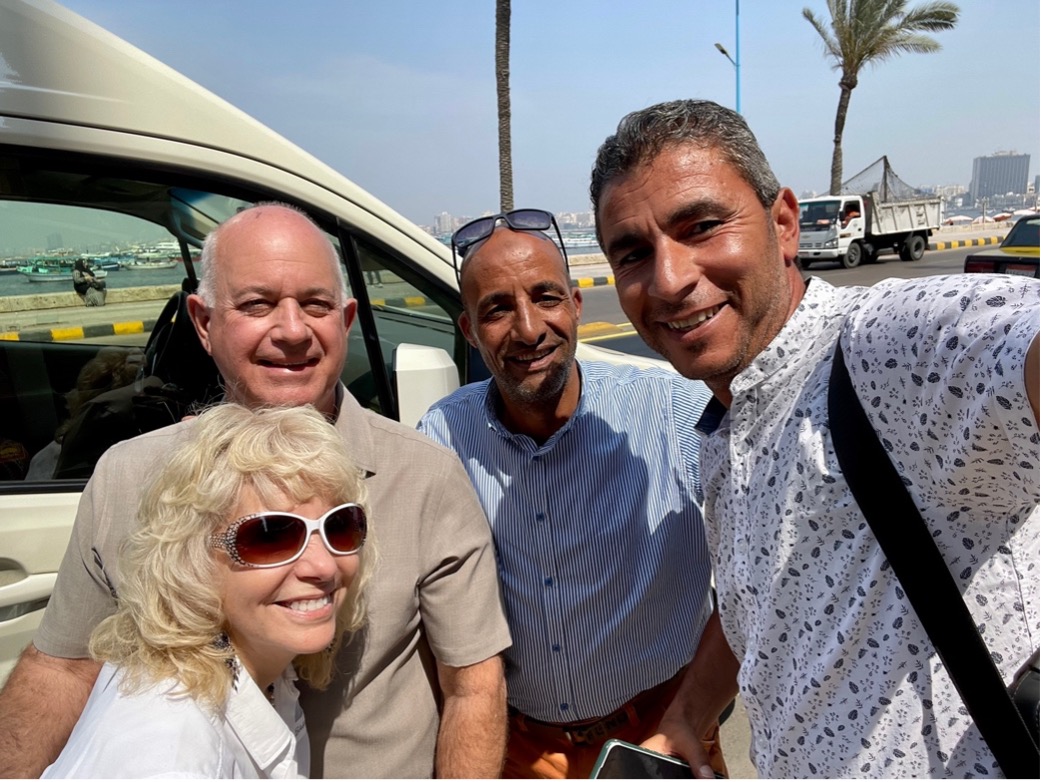
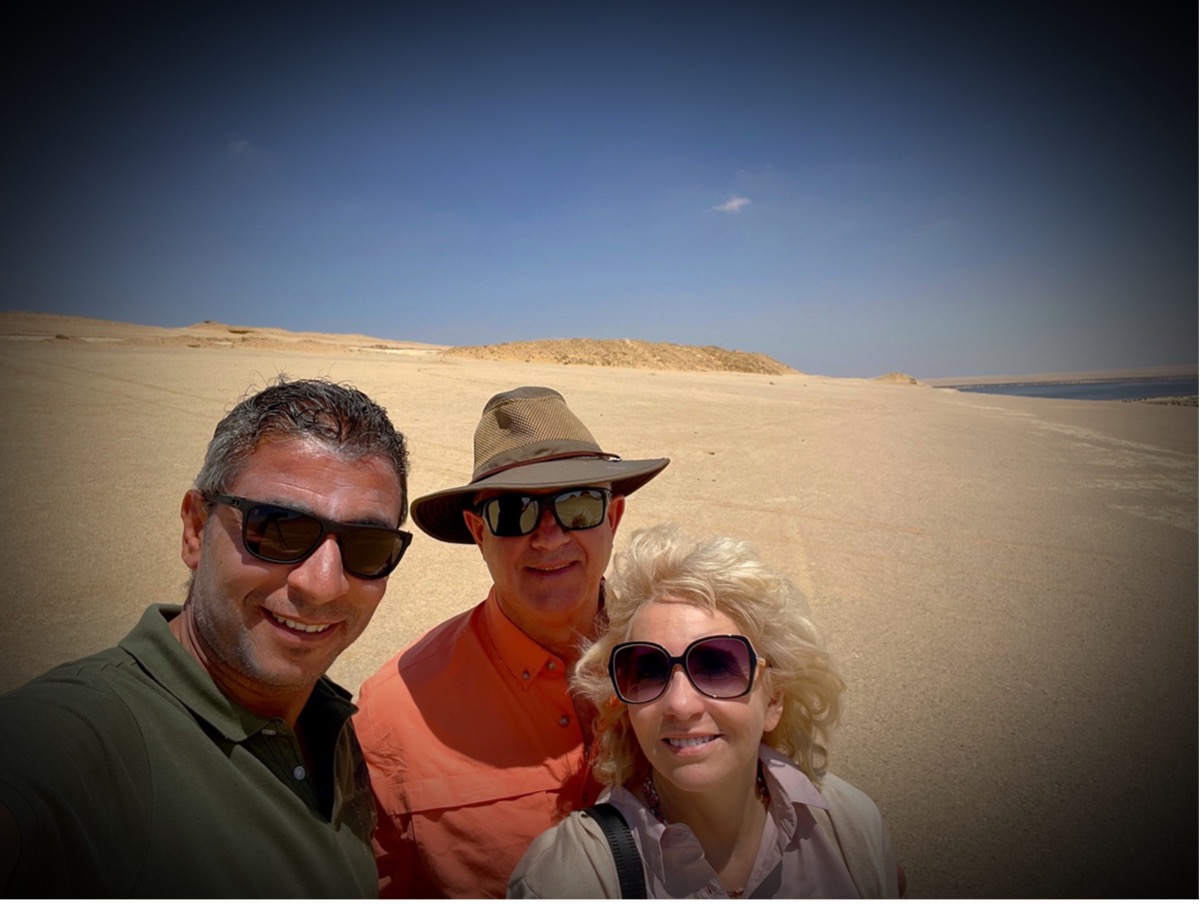
Laura, Tom, Omar our driver, Zenaty our guide.
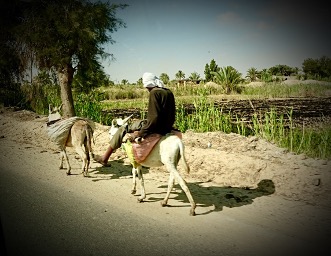
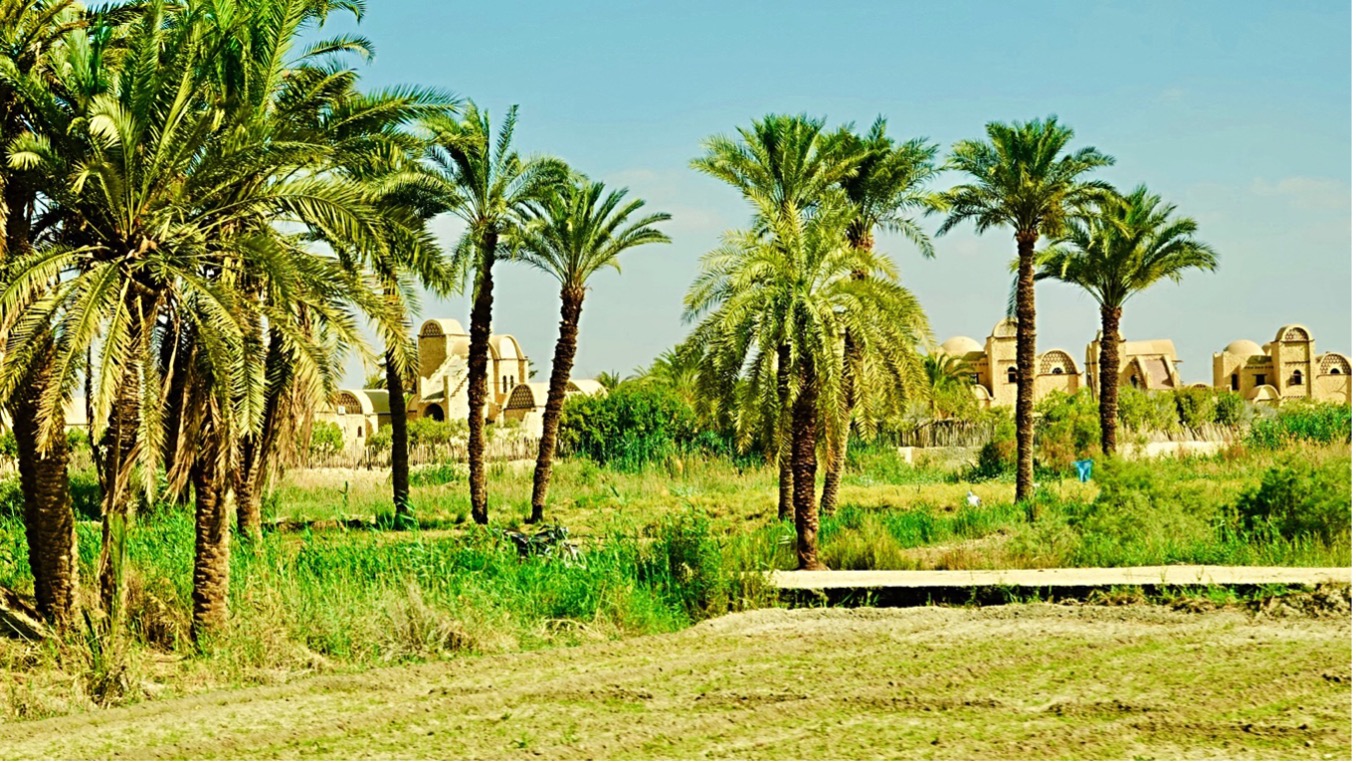
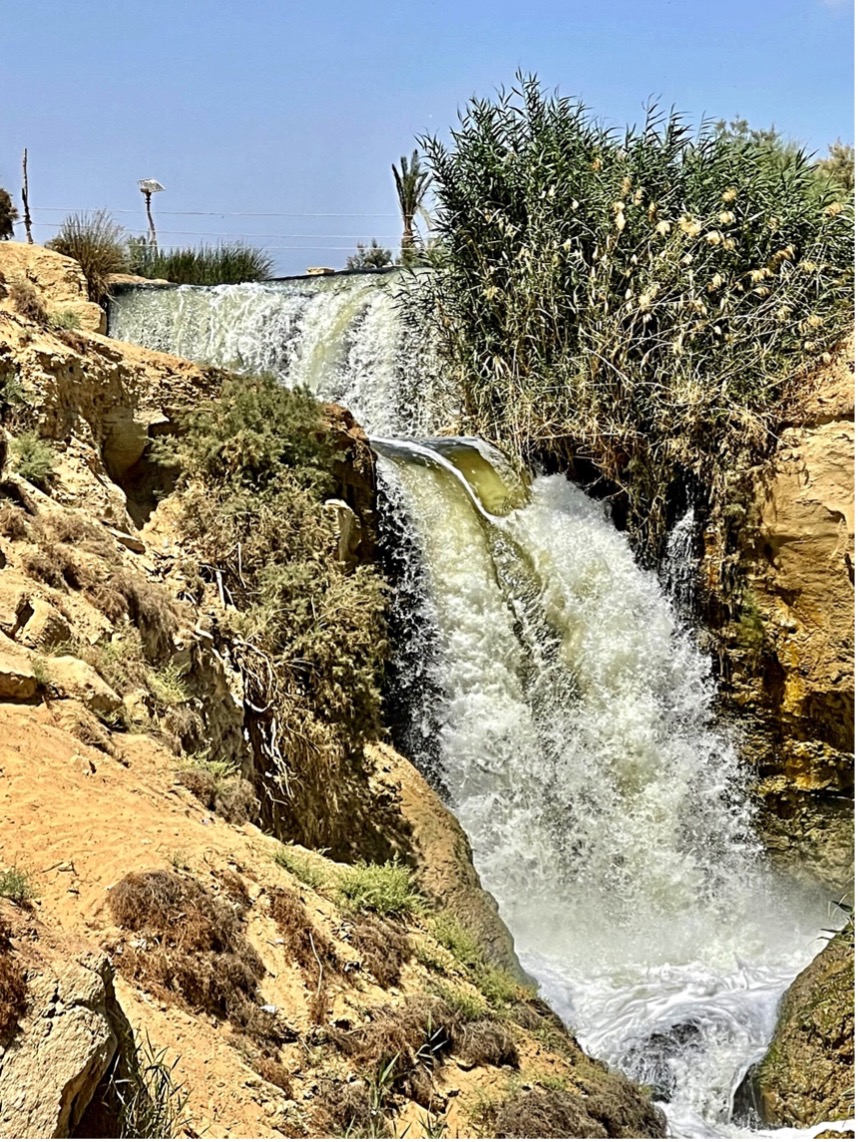
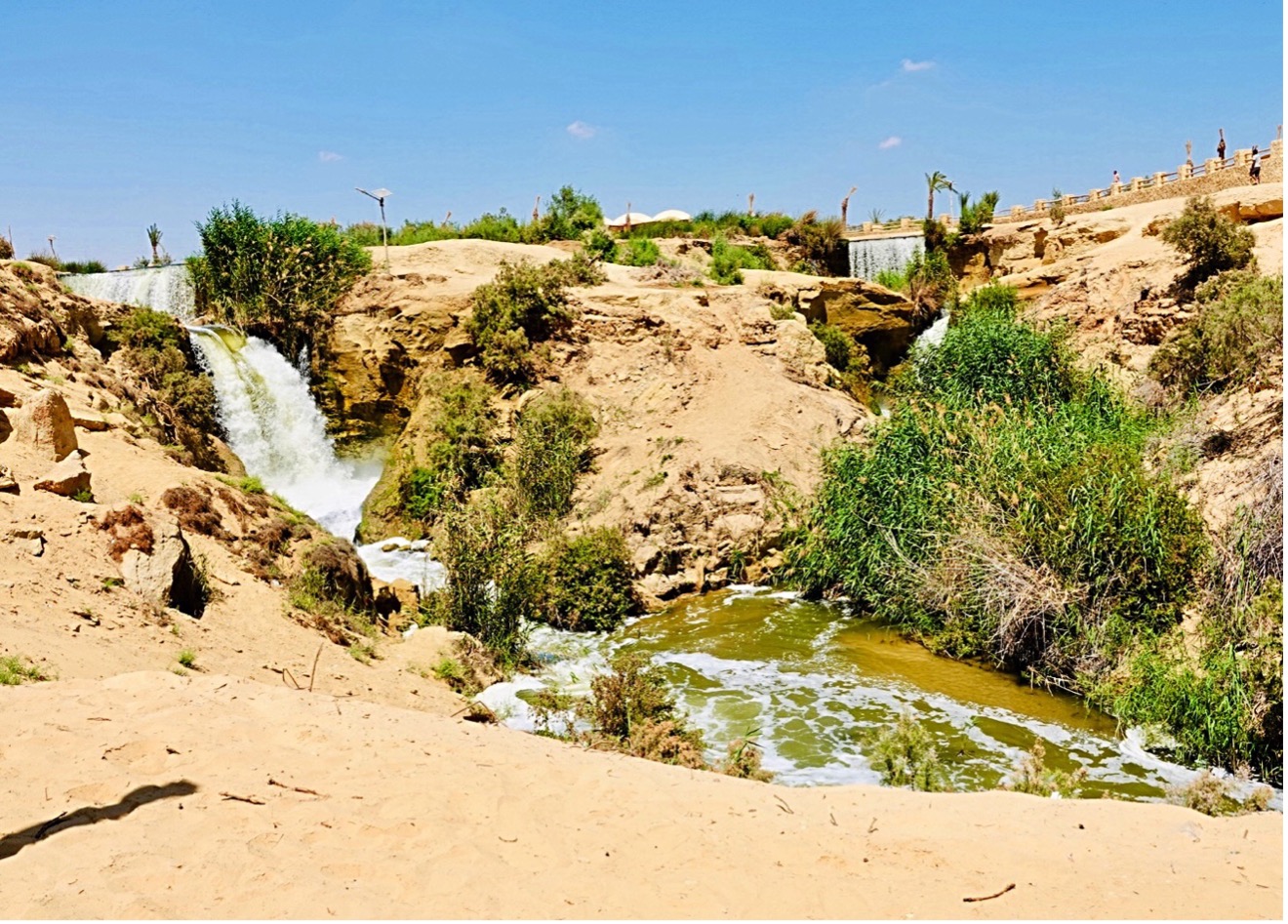
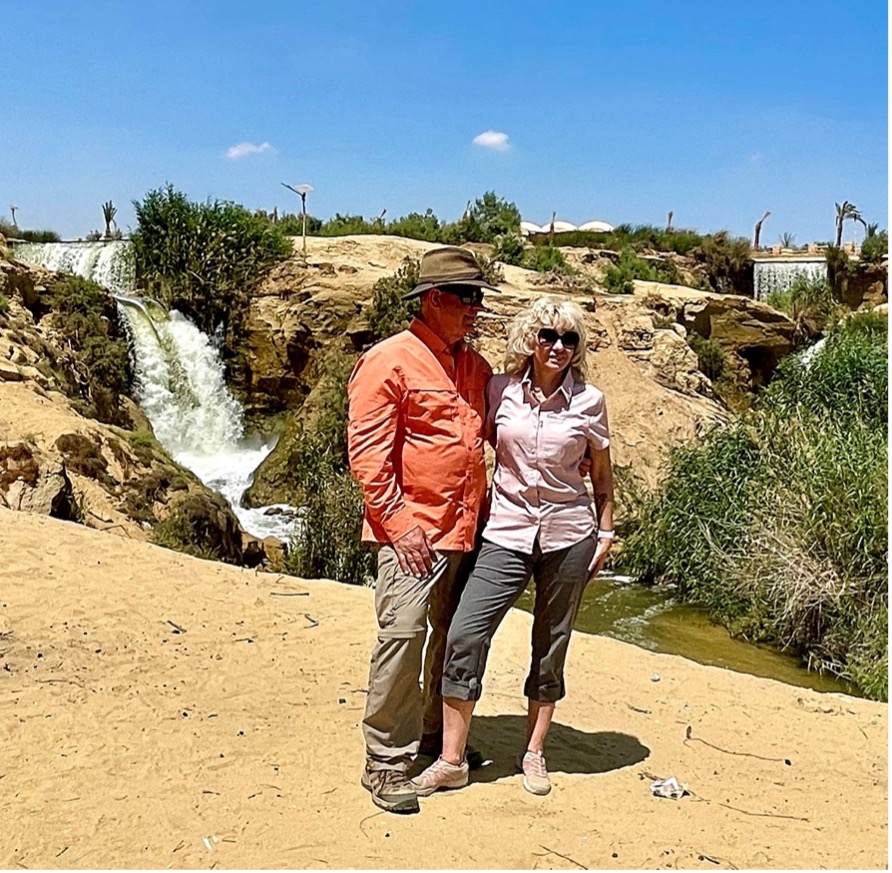
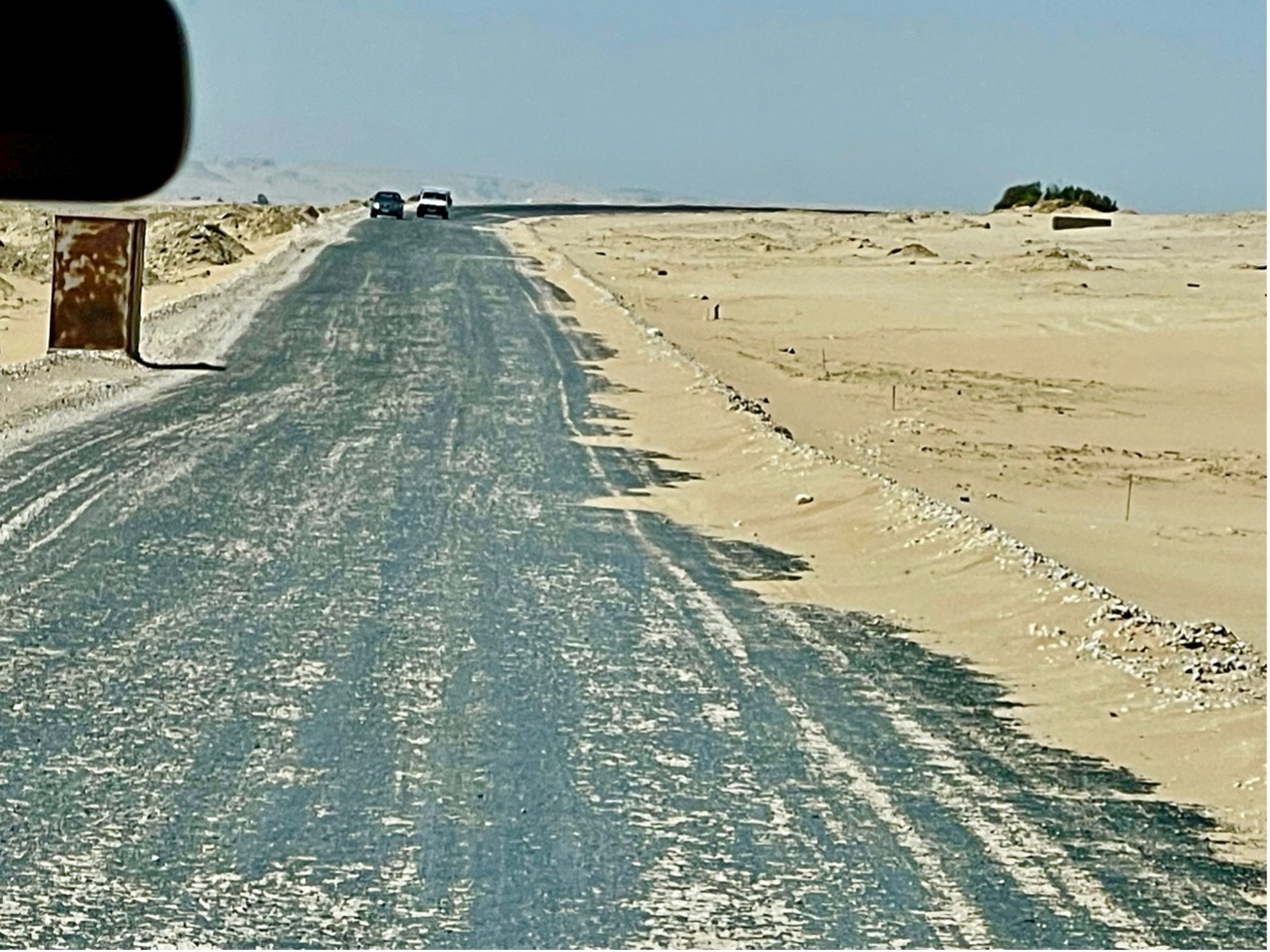
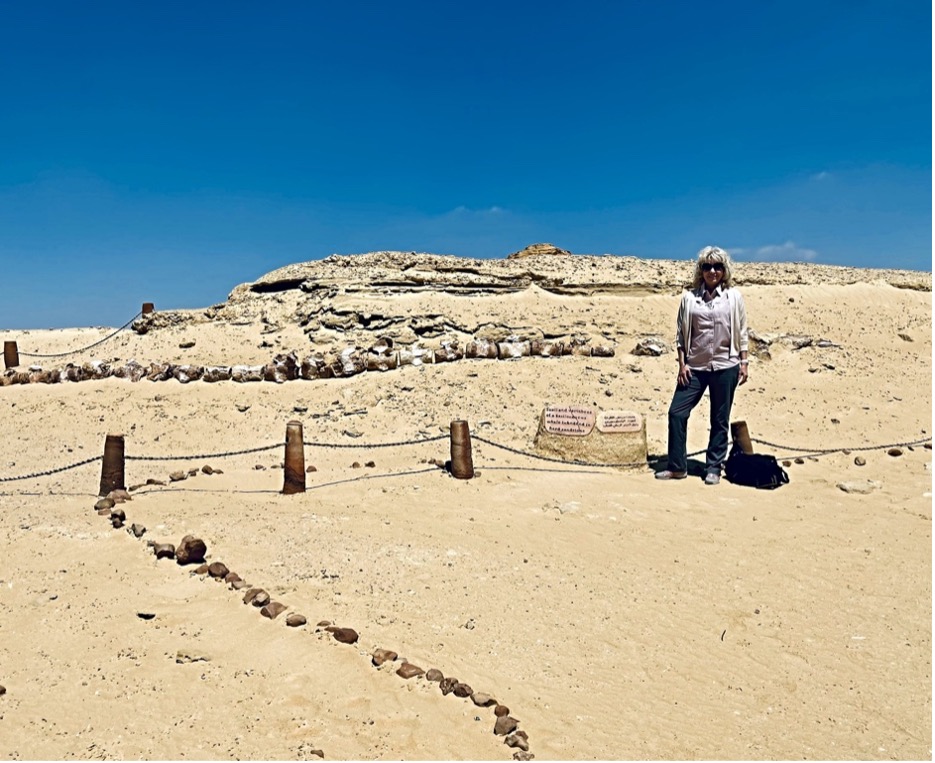
We saw the busy city slip away and passed into more rural surroundings. On the way we passed Lake Qarun. The 2.5-hour journey was broken up by a lovely stop for coffee and a snack. Our main destination was Wadi Al-Hitan, but we made a brief stop at one of the streams of the Wado El Rayam Waterfalls in El Fayoum. The site is recognized as the only waterfall in Egypt. From there we journeyed to Wadi Al-Hitan, the Valley of the Whales. The desert landscape containing the fossilized remains of ancient sea animals was fascinating. After our time at the archaeological site we had a lovely lunch before returning to Cairo.
Sights Along the Way to Wadi Al-Hitan
Passing Lake Qarun
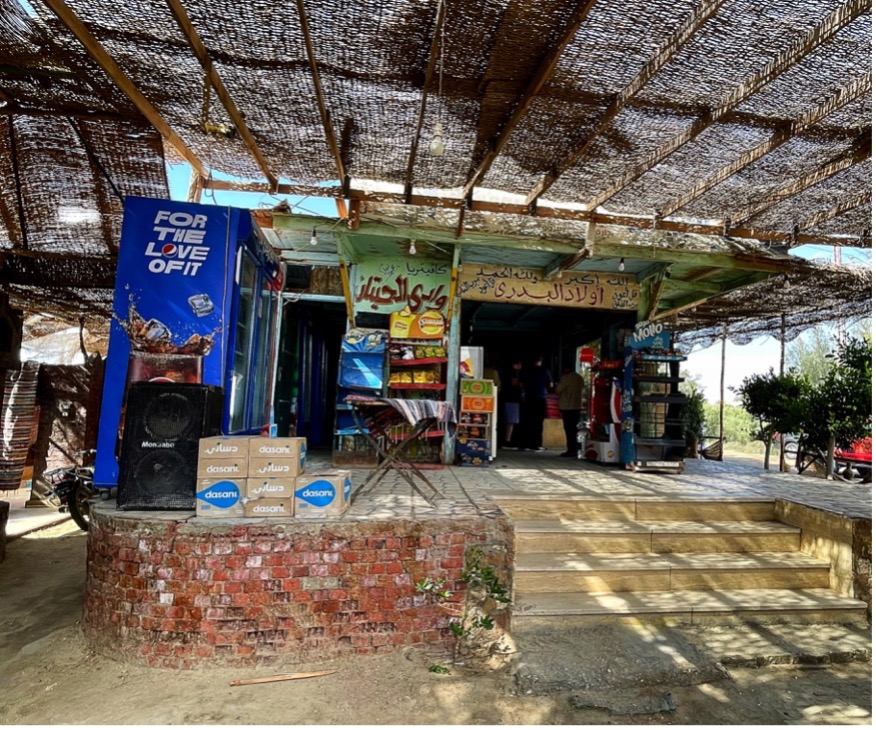
Coffee Stop
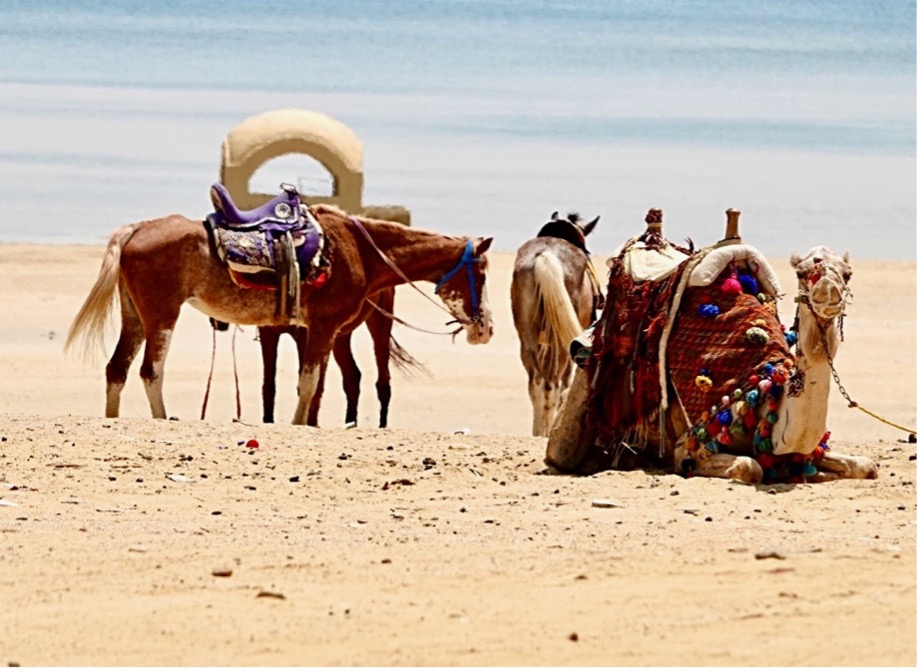
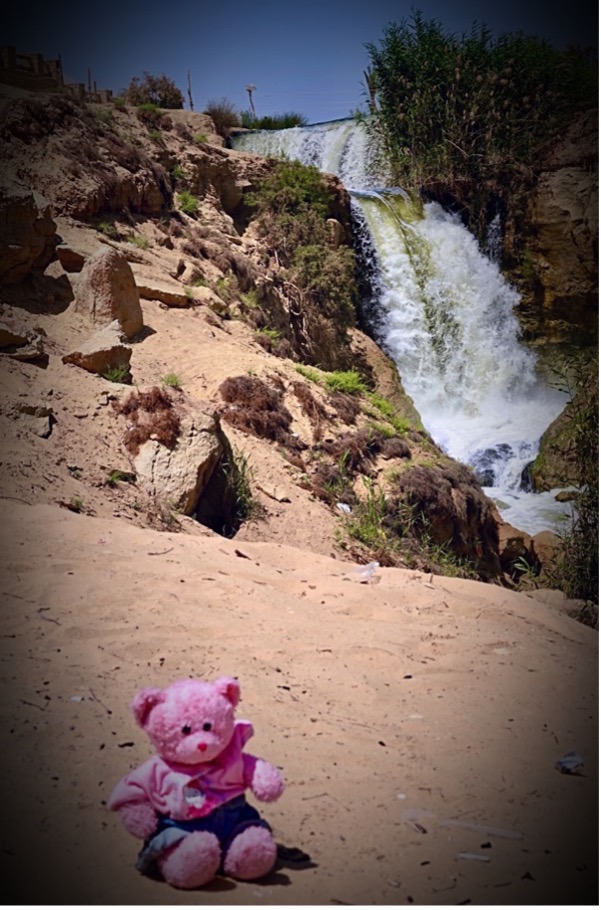
waterfall and desert animals at the waterfall
Pink Bear, Laura and Tom enjoying the waterfall.
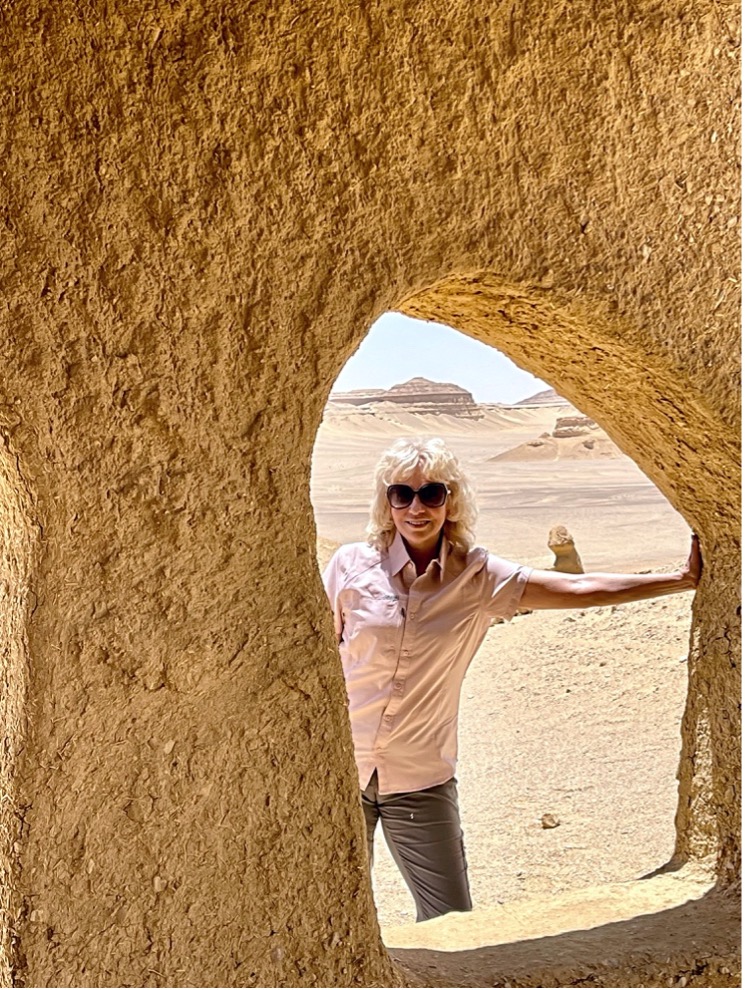
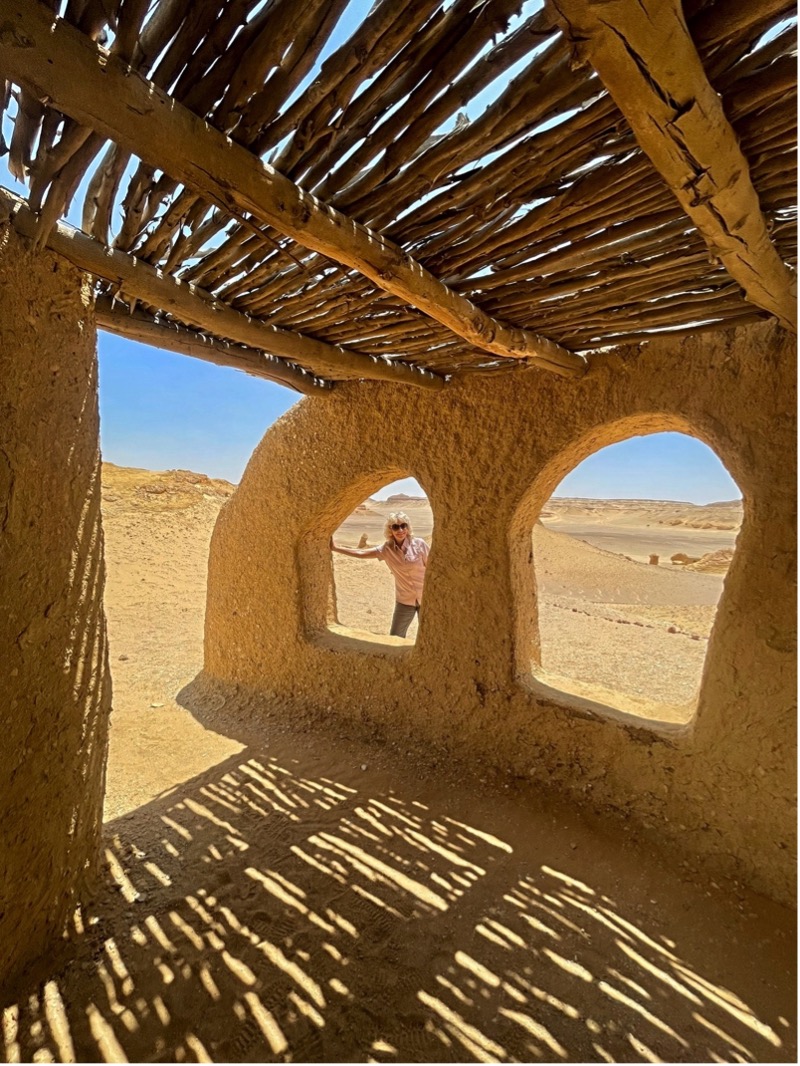
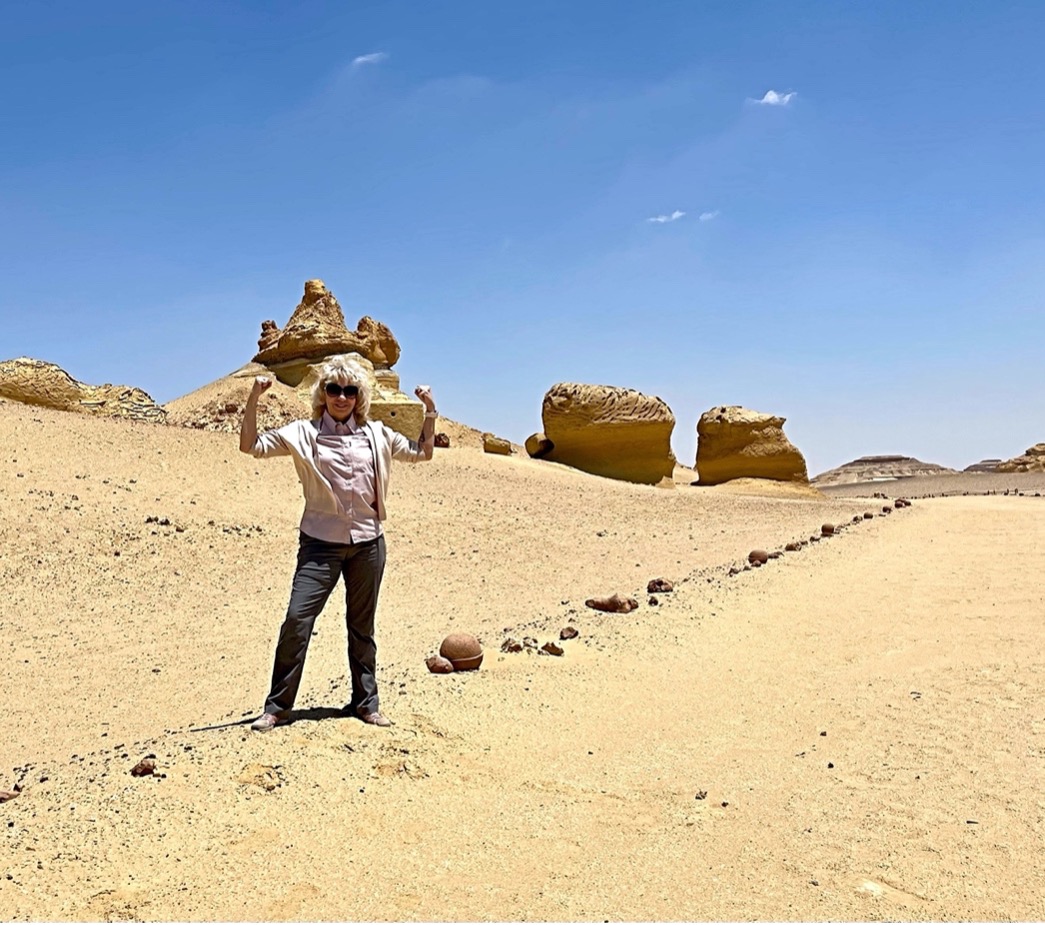
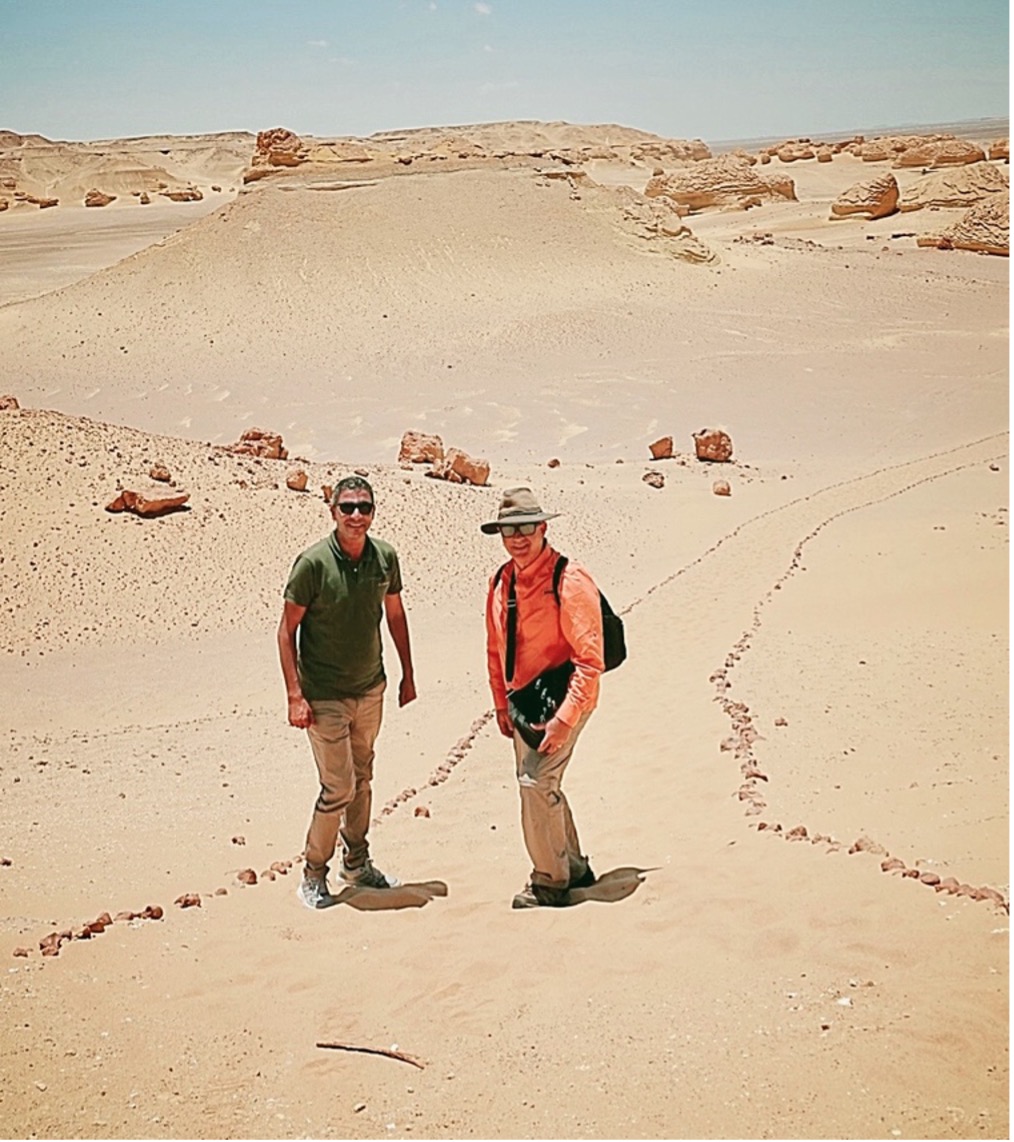
Wadi Al-HItan
Heading into the “Valley of the Whales”
Zenaty our wonderful guide, Tom, Laura and Pink Bear looking at desert fossils
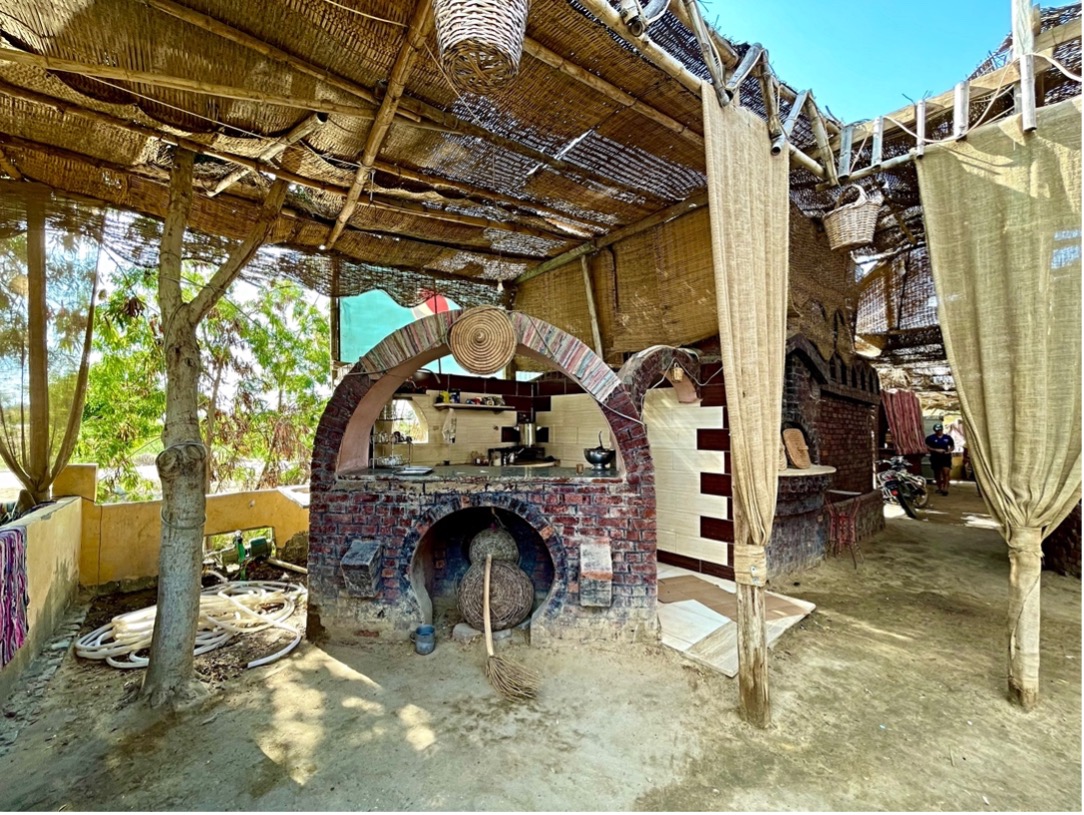
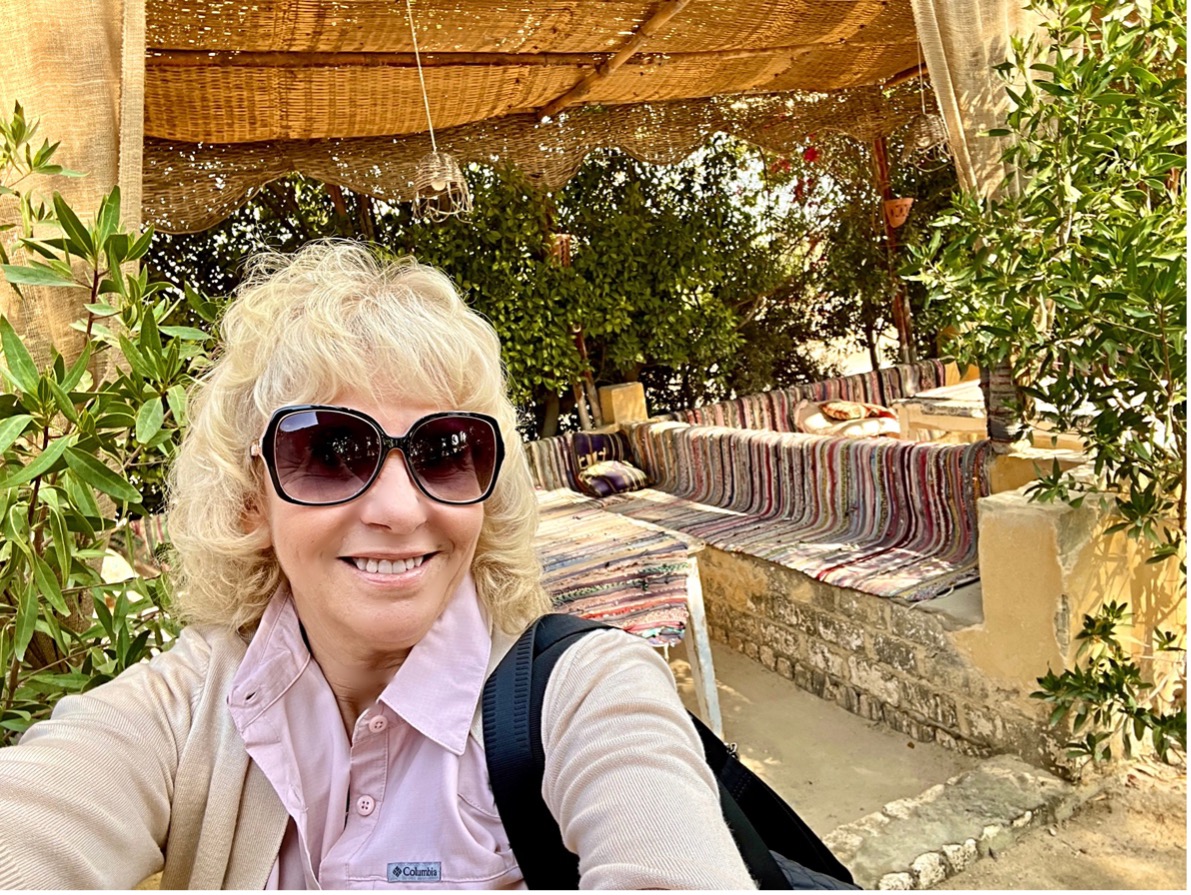
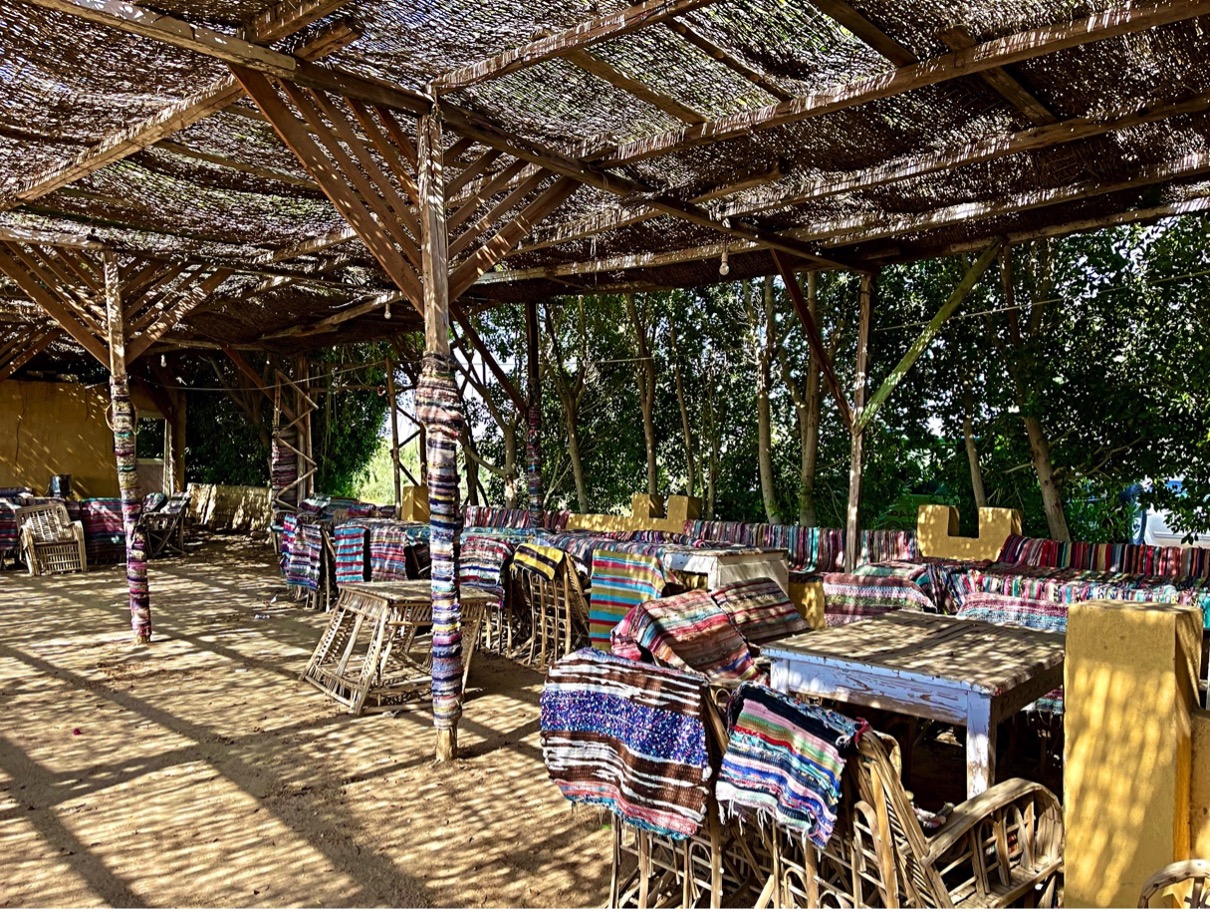
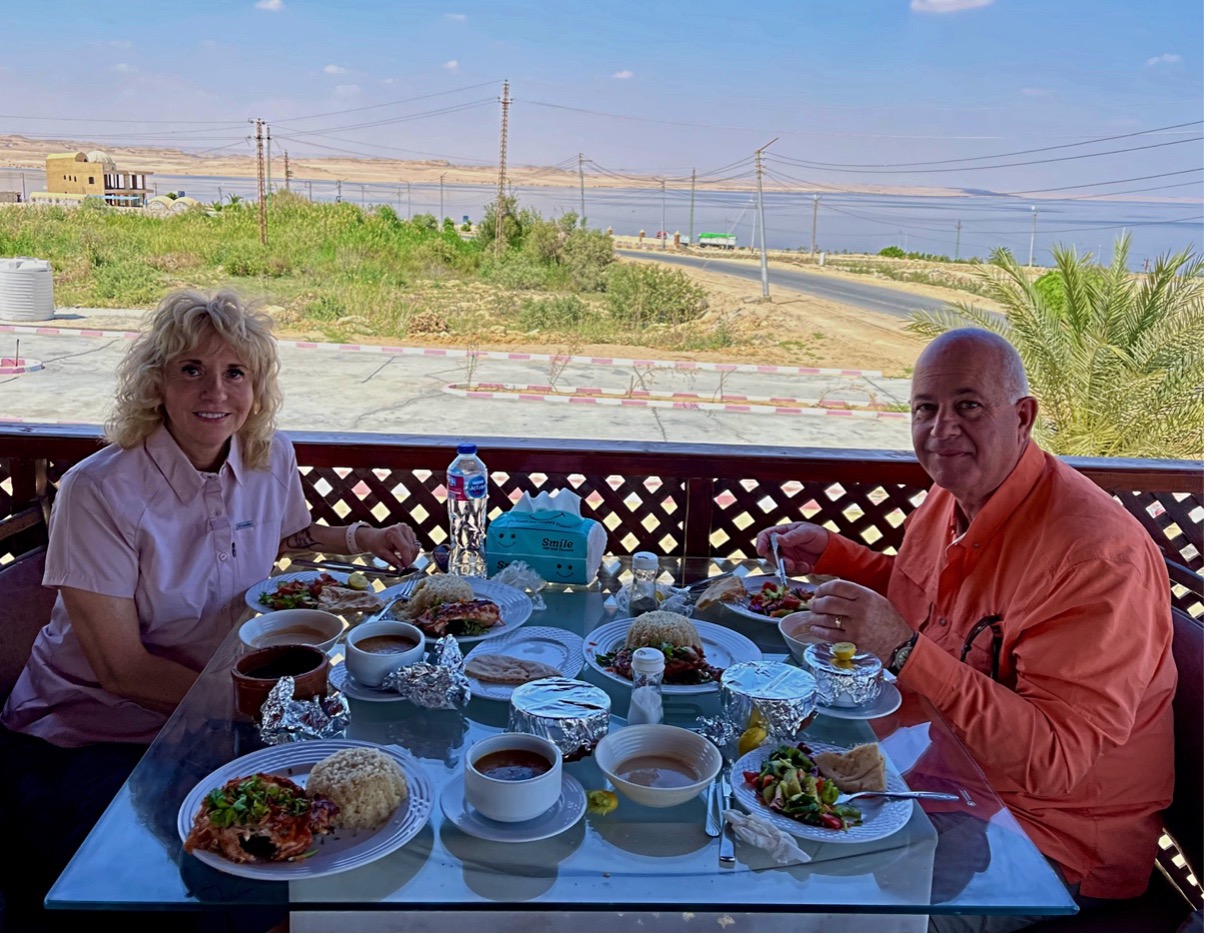
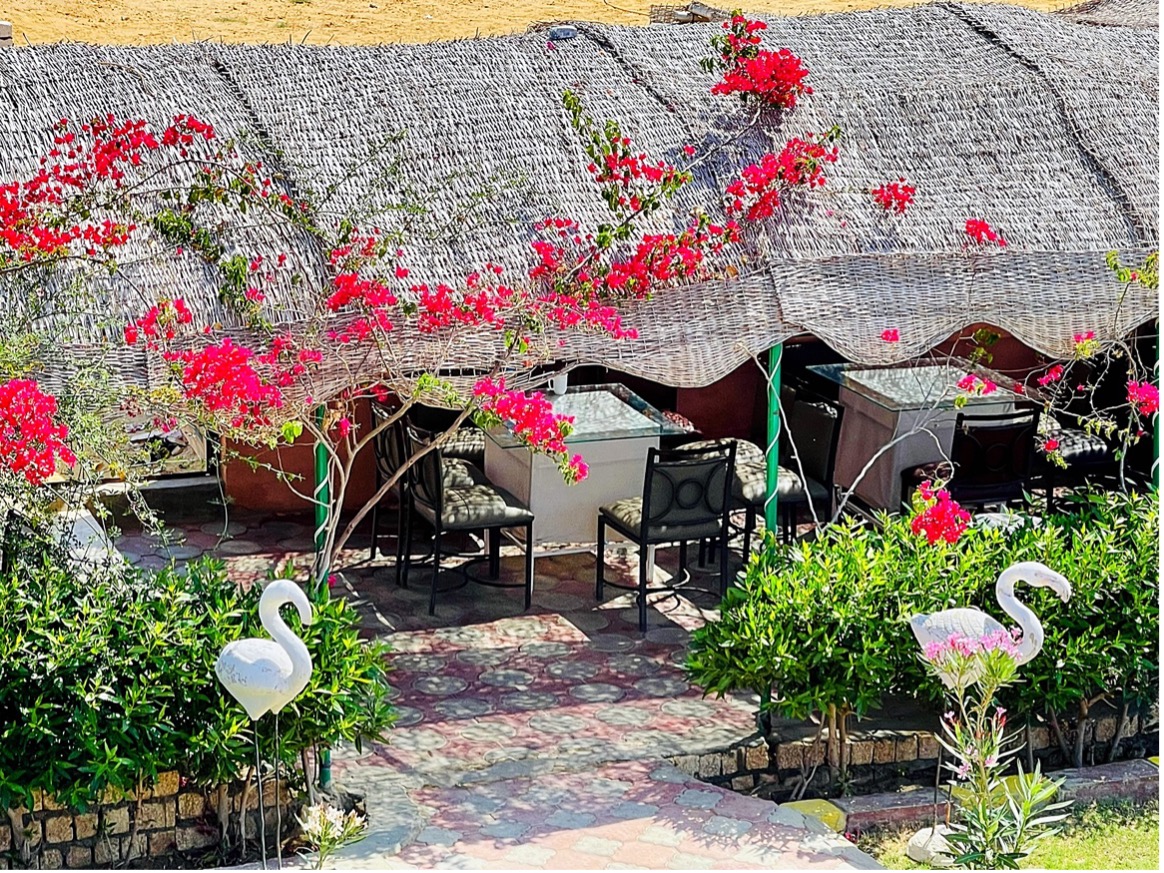
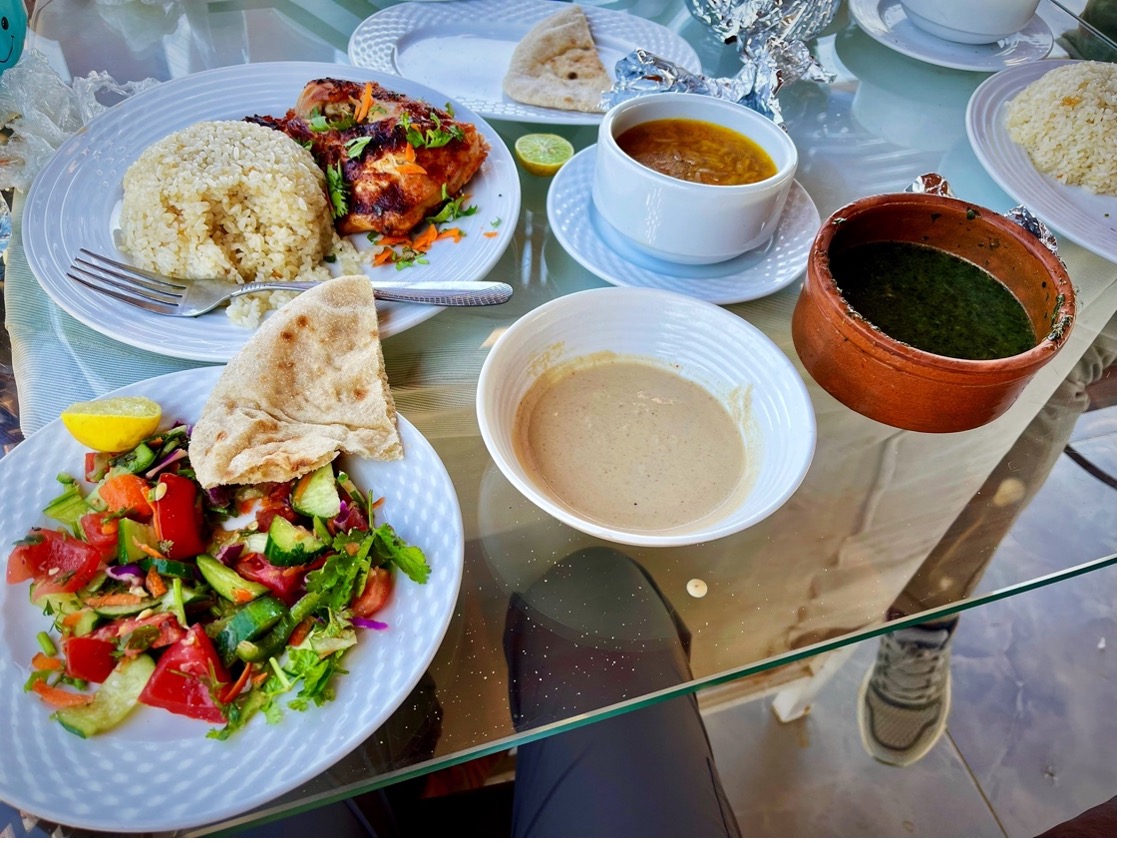
Lunch Stop in El Fayoum
Alexandria
Geography
Alexandria is in northern Egypt along the Mediterranean Sea, at the western edge of the Nile Delta. The city stretches along a narrow coastal strip between the Mediterranean and Lake Mariout, giving it a very different setting and atmosphere from inland Cairo.
Its long waterfront, natural harbors and strategic position between Egypt, the Mediterranean and the wider ancient world helped Alexandria develop into an important center of trade and maritime activity. Today, the city remains one of Egypt’s principal ports and is often called the “Pearl of the Mediterranean.” The sea views, coastal breezes and Mediterranean character made our visit feel quite different from the desert landscapes and crowded streets we experienced elsewhere in Egypt.
Historical Background
Alexandria was founded by Alexander the Great in 331 BC after his conquest of Egypt. Its location on the Mediterranean coast was carefully chosen to create a major port connecting Egypt with Greece and the wider ancient world. After Alexander’s death, the city became the capital of Egypt under the Ptolemaic dynasty and developed into one of the most important cities of the ancient Mediterranean.
Ancient Alexandria became renowned as a center of trade, culture and learning. The famous Library of Alexandria attracted scholars from across the ancient world, while the nearby Mouseion served as an important center for study and research. The city was also home to the Lighthouse of Alexandria, built on the island of Pharos and later recognized as one of the Seven Wonders of the Ancient World.
Alexandria remained influential under Roman rule and became an important center of early Christianity. Over the centuries, however, earthquakes, changing coastlines and political shifts damaged or destroyed many of its ancient landmarks. The lighthouse gradually collapsed after a series of earthquakes, and the Citadel of Qaitbay was later constructed near its former location.
Although Cairo eventually replaced Alexandria as Egypt’s principal political center, Alexandria continued to serve as an important Mediterranean port. Today, traces of its Egyptian, Greek, Roman, Christian and Islamic past can still be found throughout the city, giving it a historical character unlike anywhere else in Egypt.
Key Facts About Alexandria
- Alexandria was founded by Alexander the Great in 331 BC.
- It is located on Egypt’s Mediterranean coast, near the western edge of the Nile Delta.
- Alexandria is Egypt’s second-largest city and its principal seaport.
- The city served as the capital of Egypt during the Ptolemaic period.
- Ancient Alexandria was home to the famous Library of Alexandria, one of the most important centers of learning in the ancient world.
- The modern Bibliotheca Alexandrina opened in 2002 as a cultural and educational center inspired by the ancient library.
- The Lighthouse of Alexandria, built on the island of Pharos, was one of the Seven Wonders of the Ancient World.
- The Citadel of Qaitbay was constructed in the 15th century near the former site of the ancient lighthouse.
- The city was an important meeting place for Egyptian, Greek, Roman, Jewish and early Christian cultures.
- Much of ancient Alexandria now lies beneath the modern city or underwater near the coastline.
- Its coastal setting, architecture and Mediterranean atmosphere make it feel very different from Cairo and Egypt’s desert regions.
Our Photographic Journey to Alexandria
Our day trip to Alexandria was another full day that started with an early pick up by Omar and Zenaty. We headed north out of Cairo to another bustling city in Egypt. Alexandria felt different because it is a major seaport.
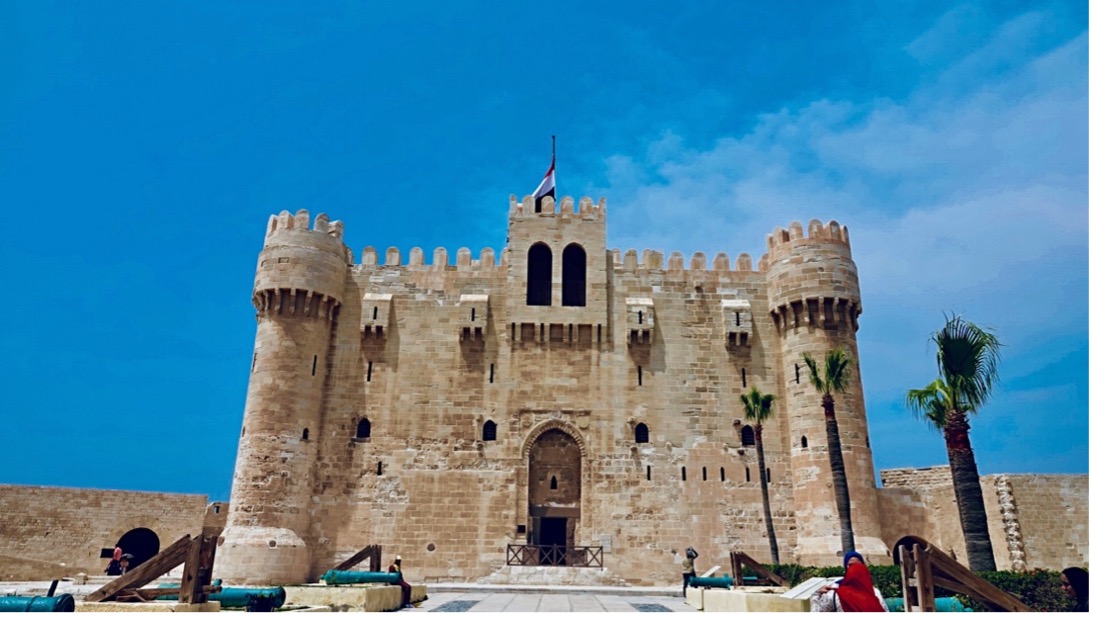
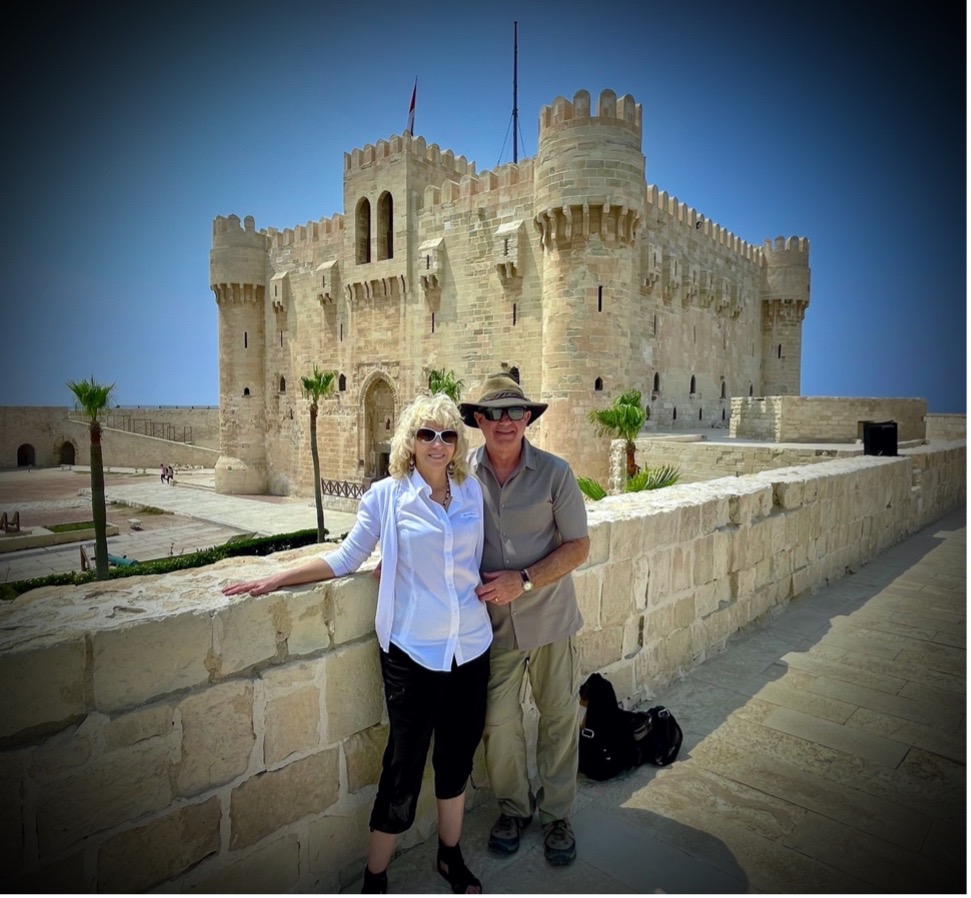
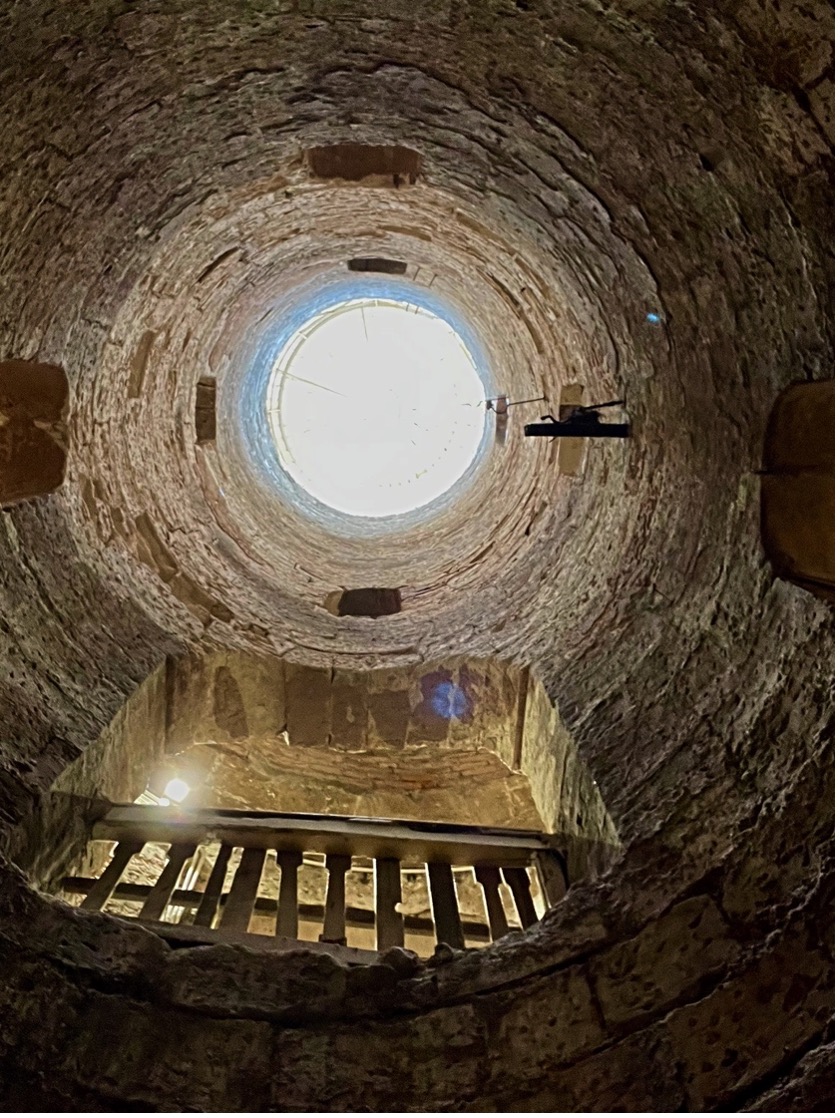
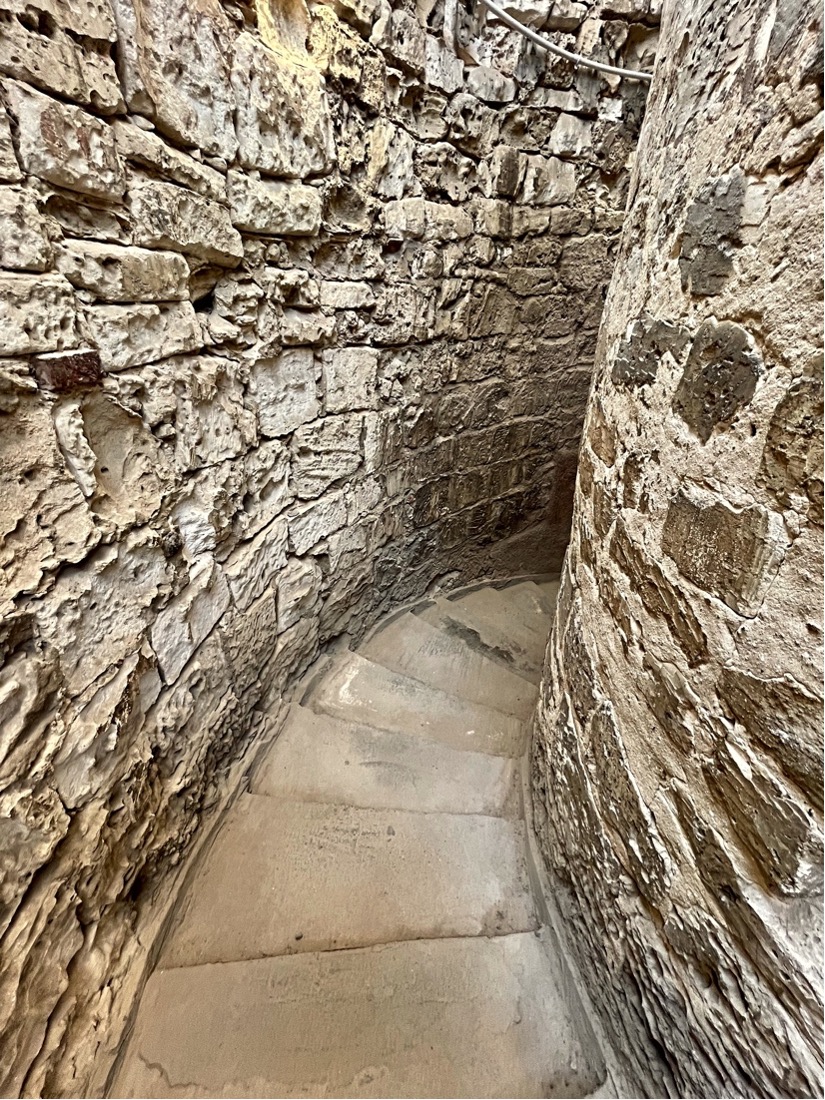
Citadel of Qaitbay
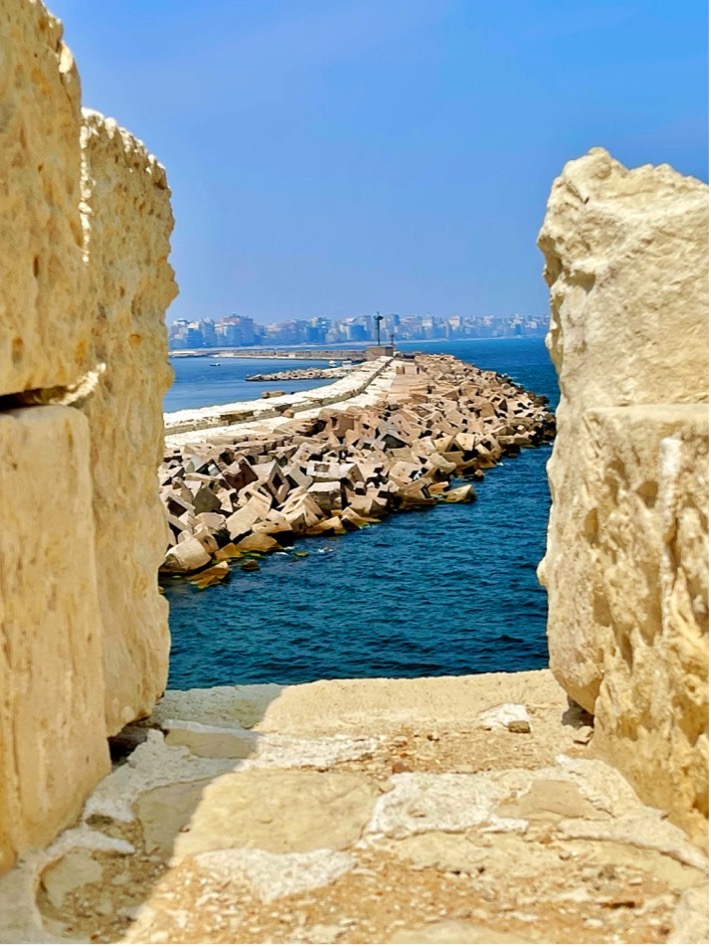
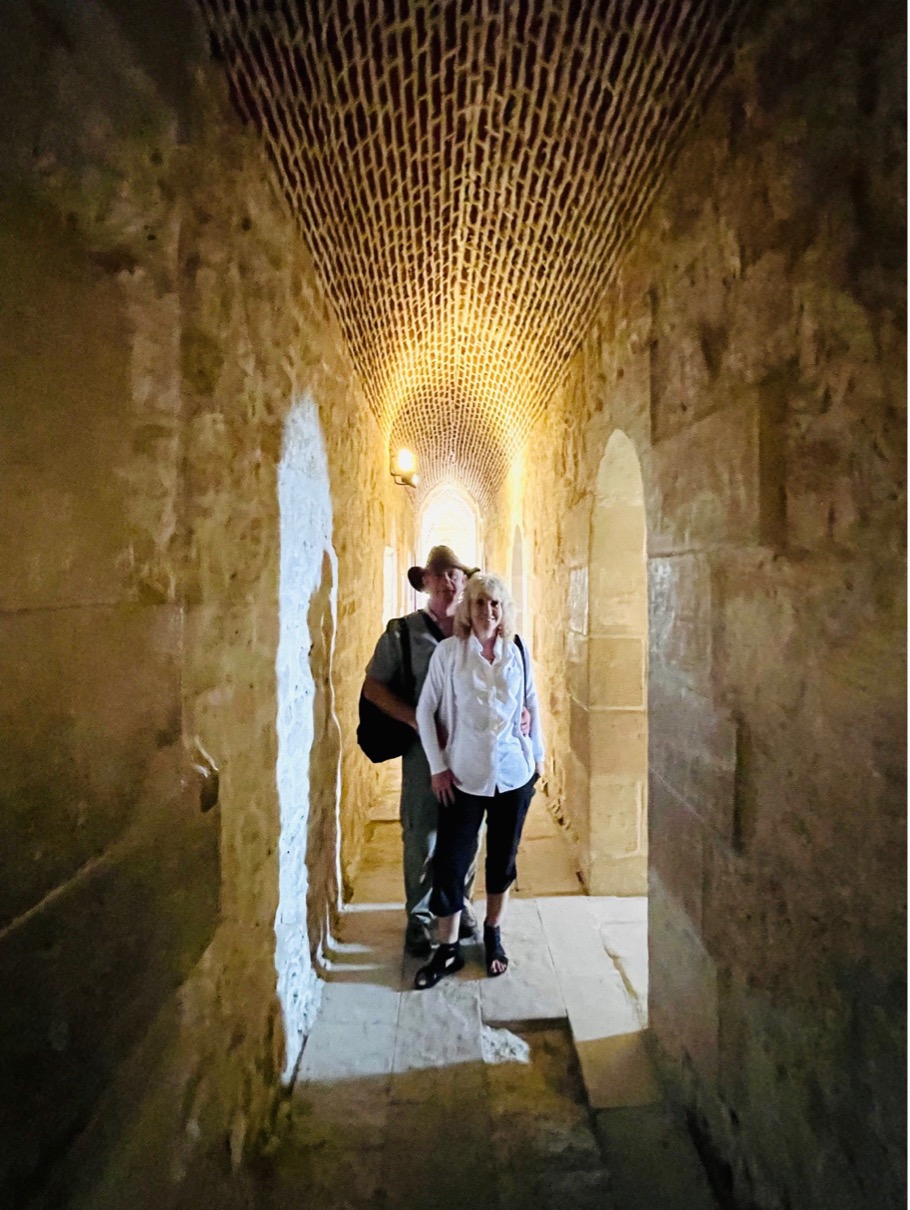
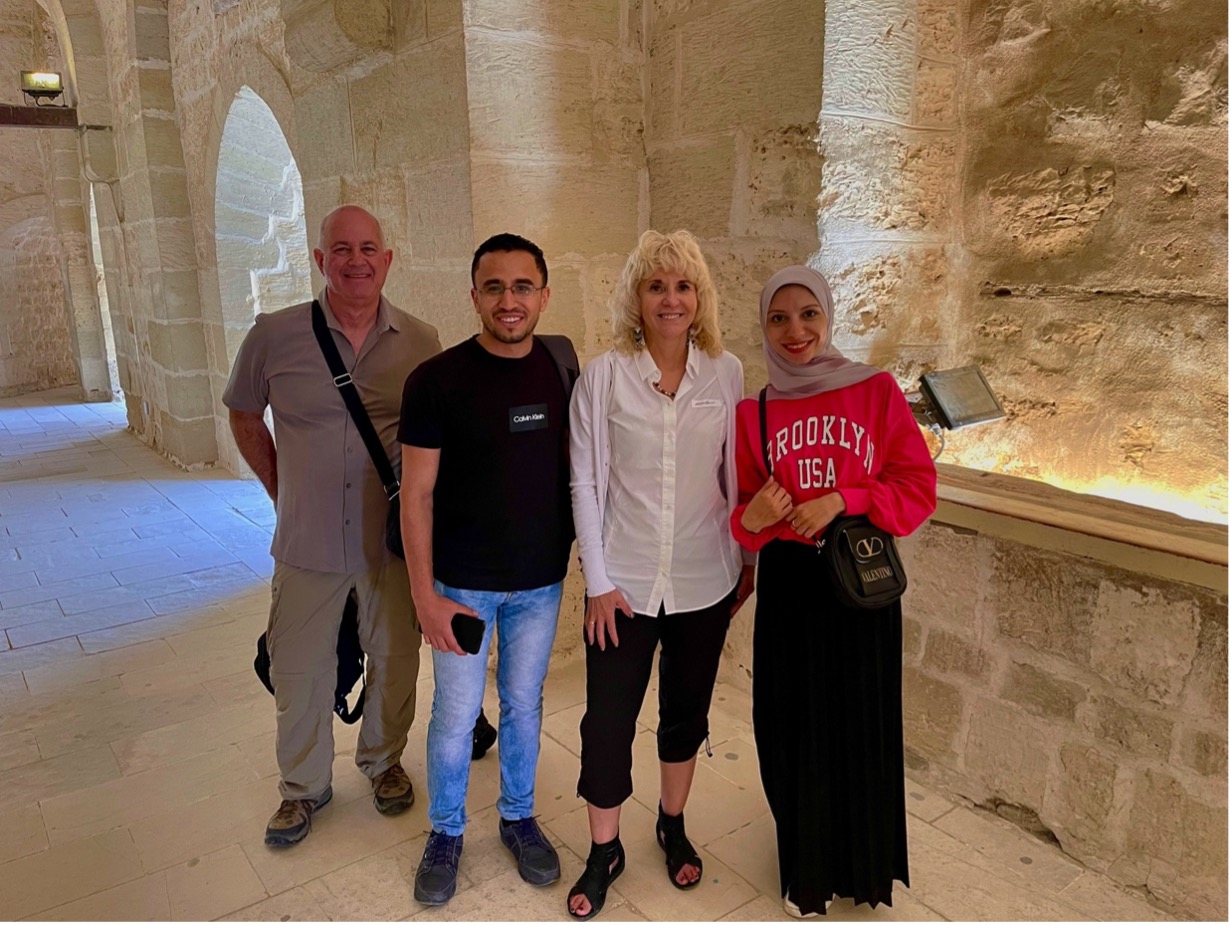
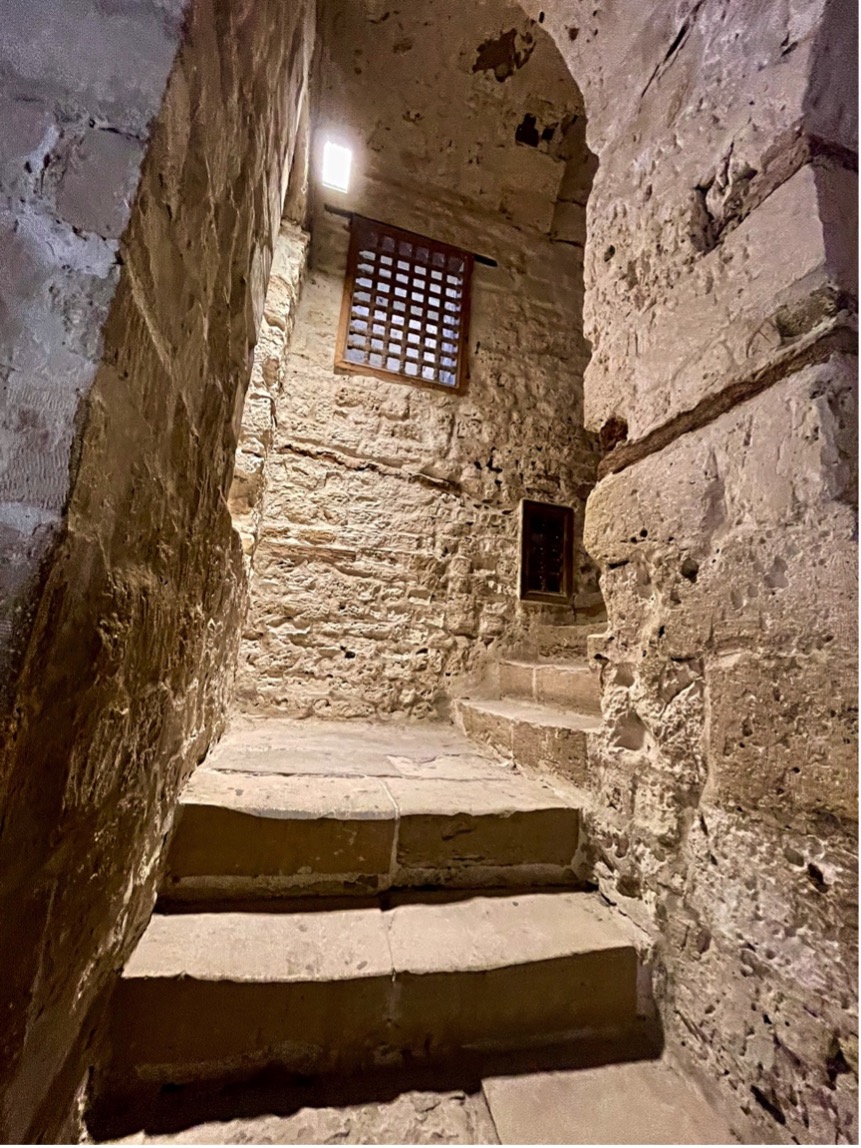
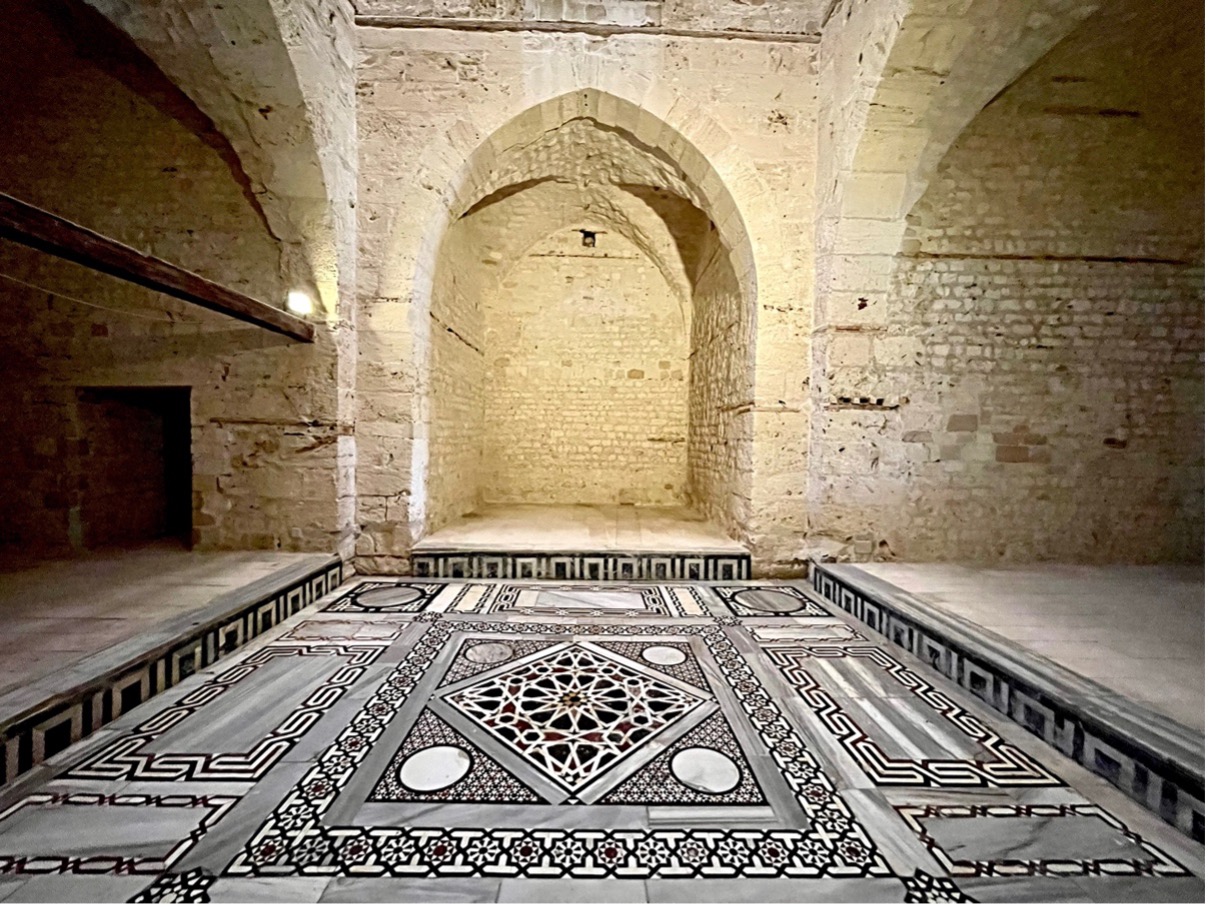
Our first stop was the Citadel of Qaitbay. The Citadel offered magnificent sea views. The inside provided a fascinating look into the past. We met an Egyptian couple who recently visited Brooklyn NY in the USA and wanted a picture with us!
Citadel steps and Laura and Tom with the Egyptian couple who visited Brooklyn.
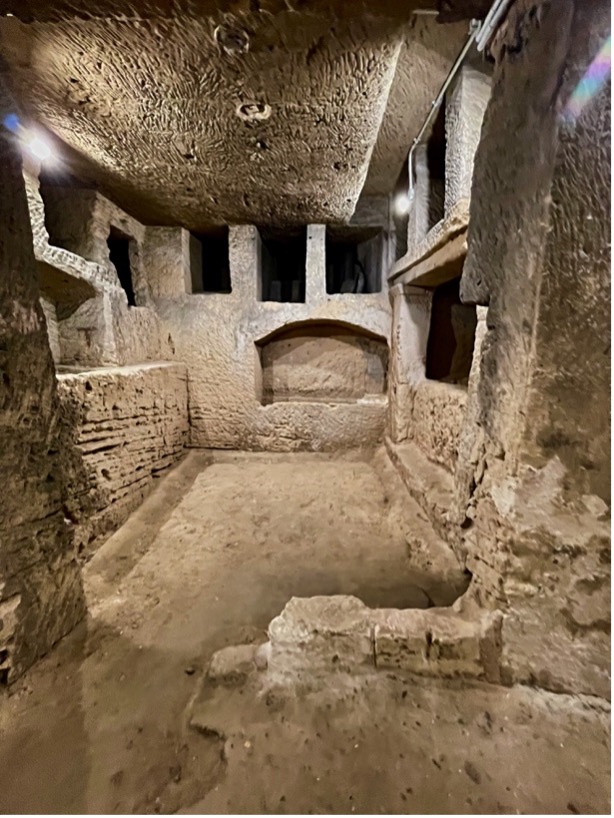
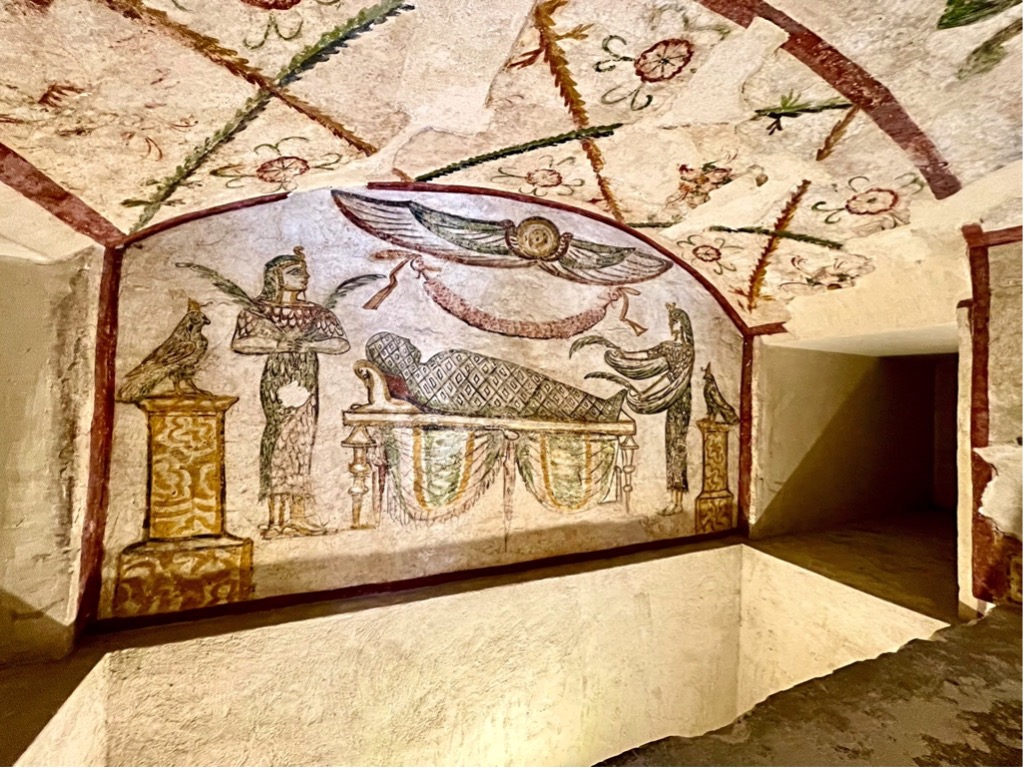
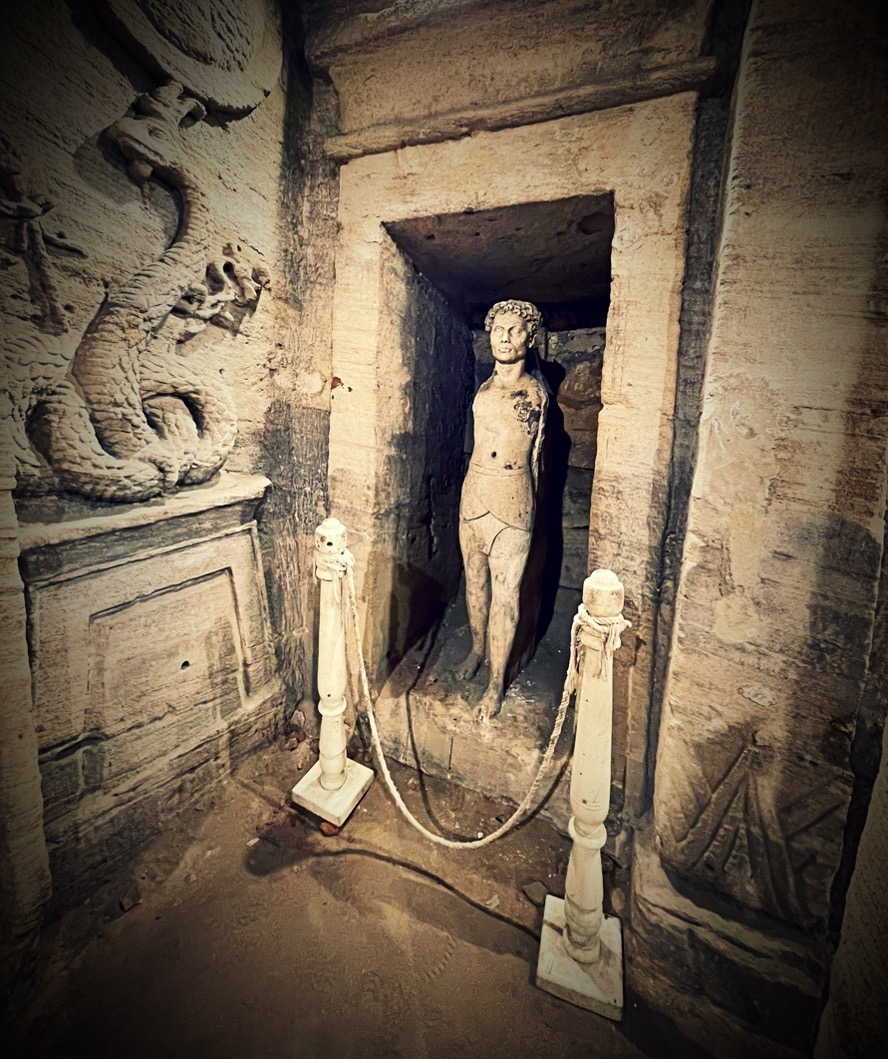
Catacombs of Kom el ShoqafaAfter the citadel we proceeded to this famous subterranean necropolis. This underground maze served as a massive burial site in the 2nd century. The site was famously rediscovered by accident in 1900 when a donkey pulling a cart accidentally fell through the ground into a hidden access pit
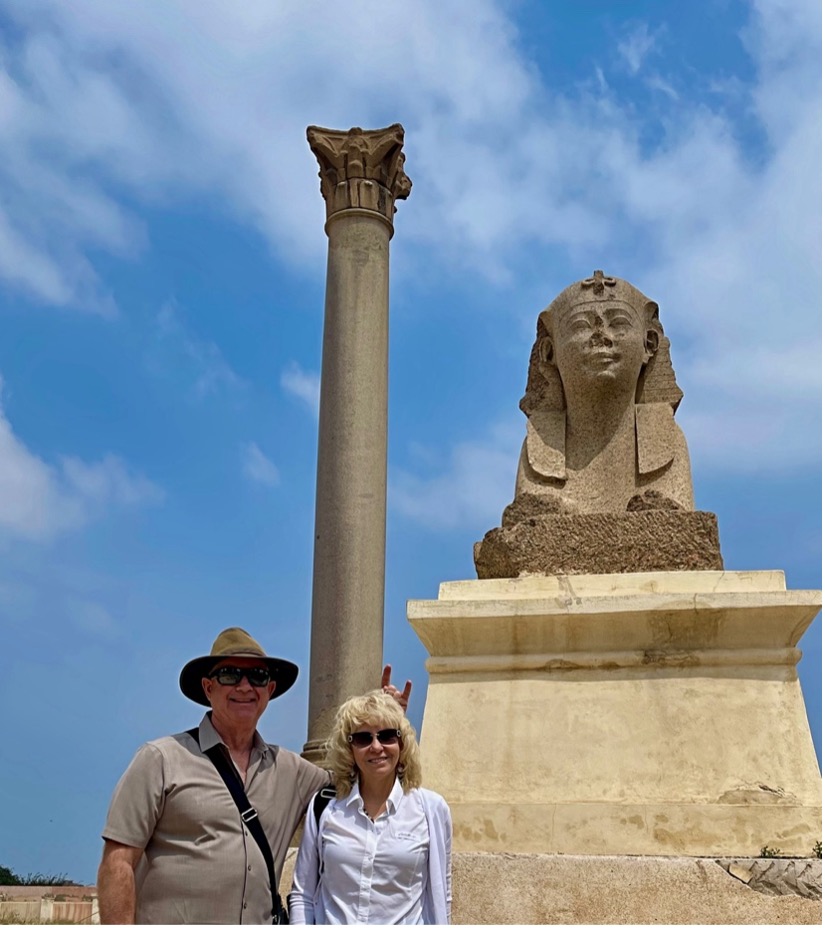
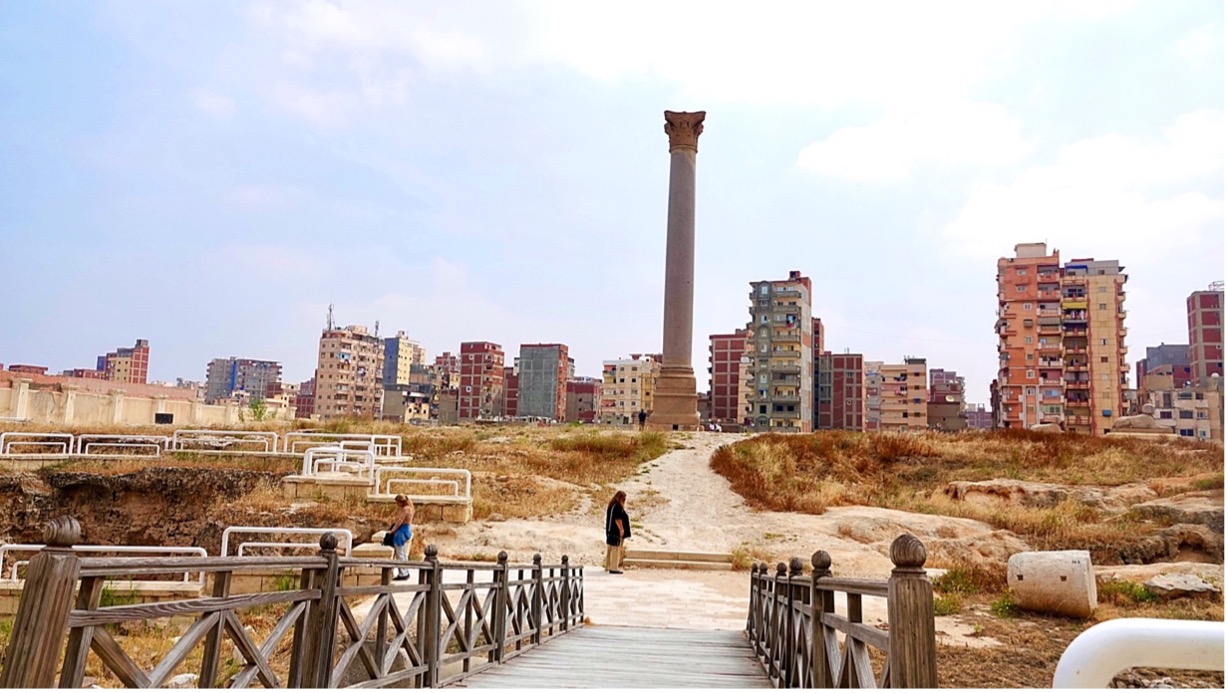
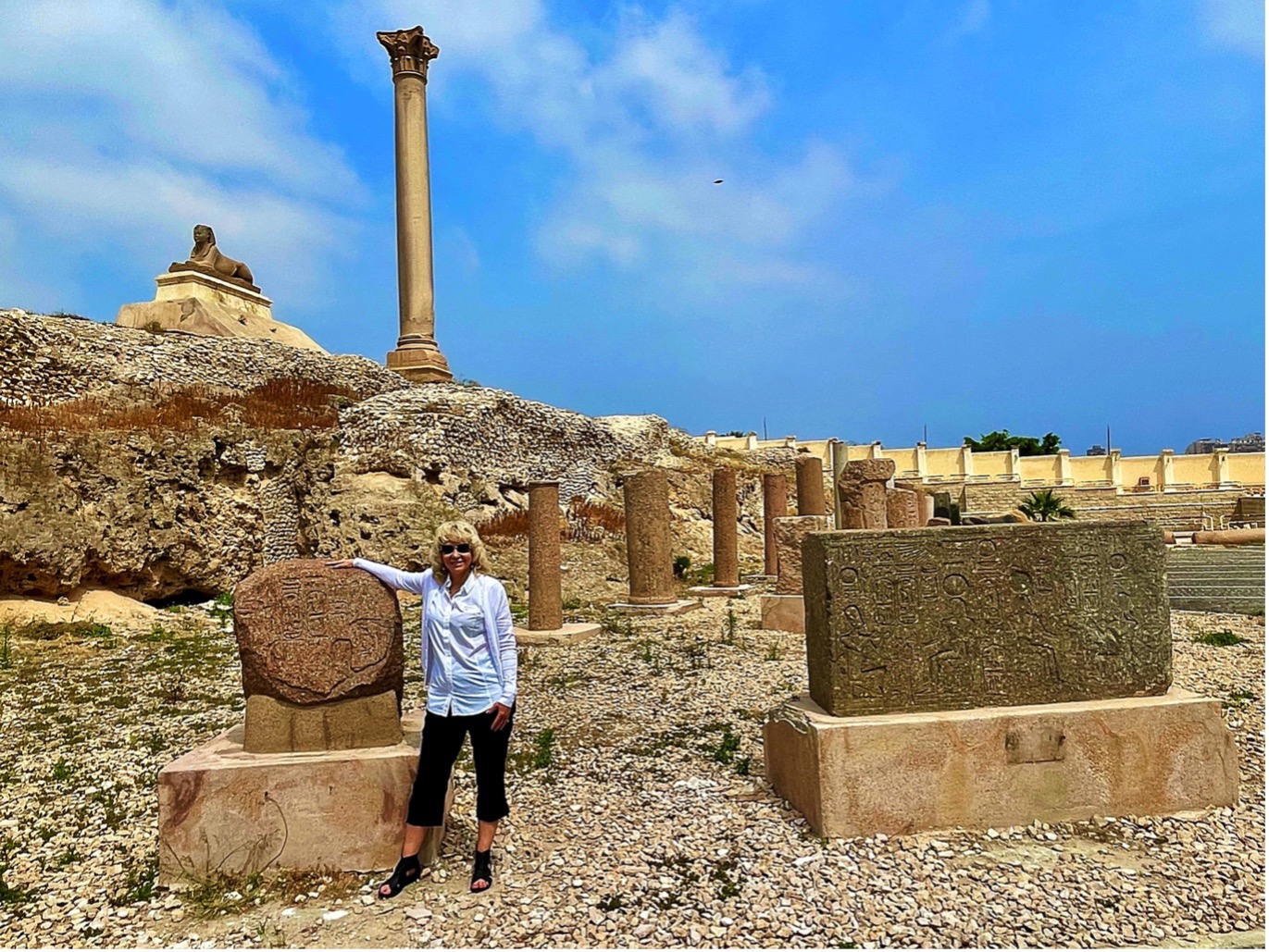
Acropolis of Rhakotis – Pompey’s Pillar
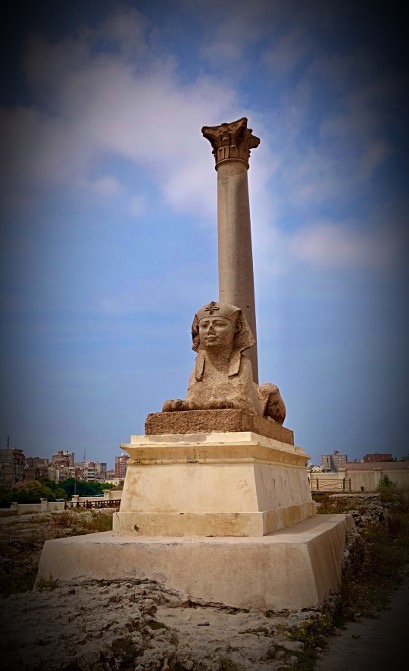
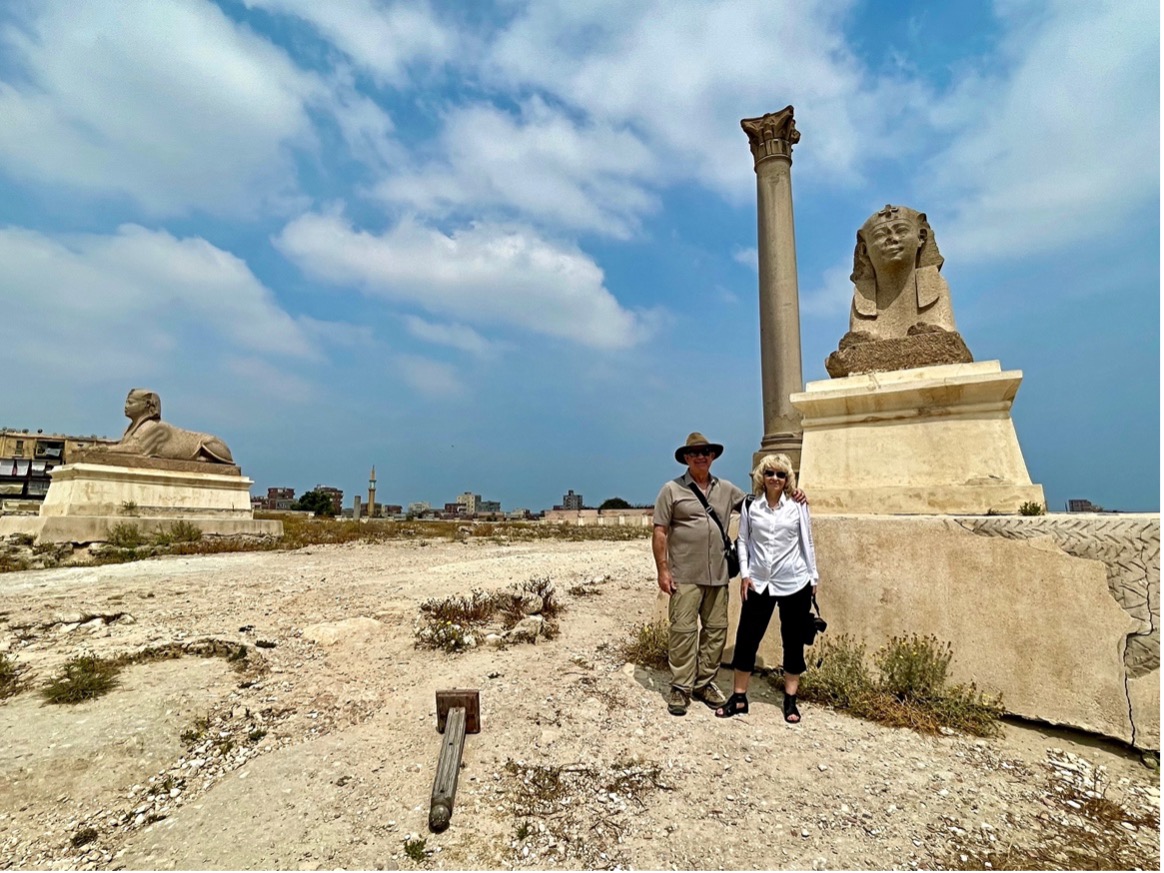
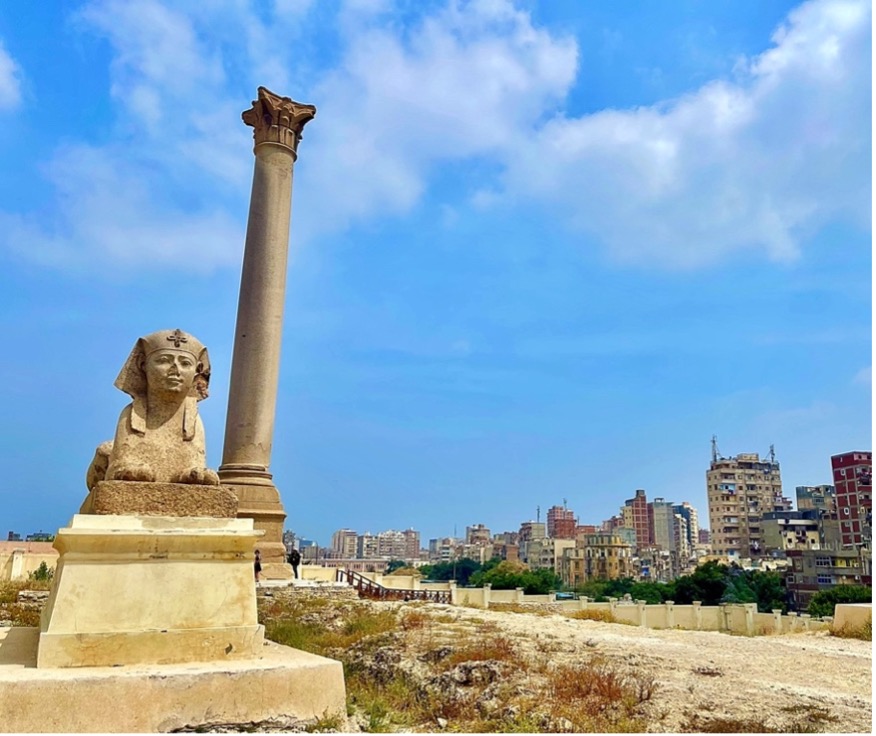
From the catacombs, we continued to the Acropolis of Rhakotis and the grounds of the ancient Serapeum to see Pompey’s Pillar. Despite its name, the column has no connection to Pompey. It was erected around AD 297–302 in honor of the Roman emperor Diocletian.
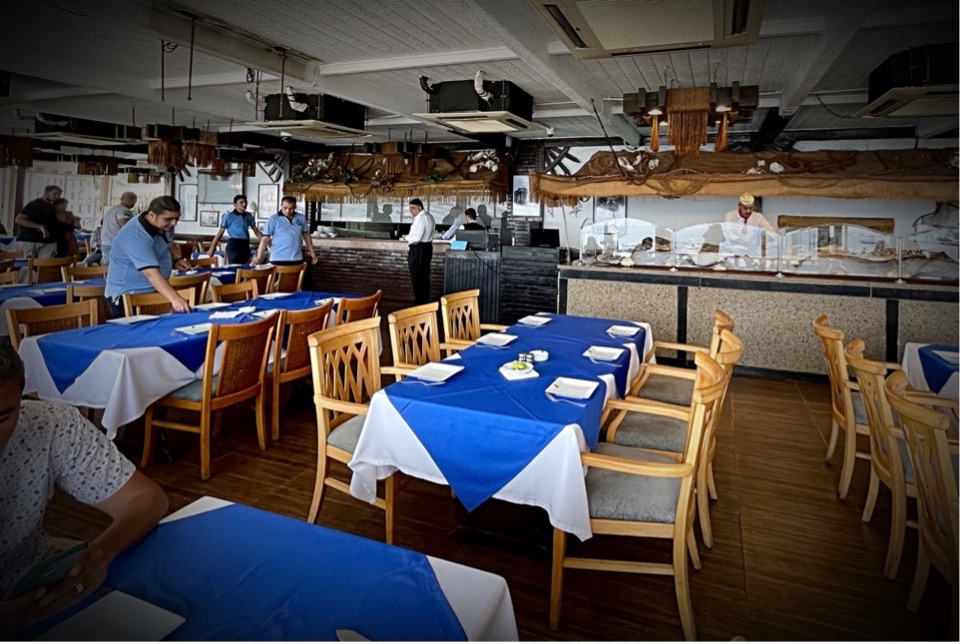
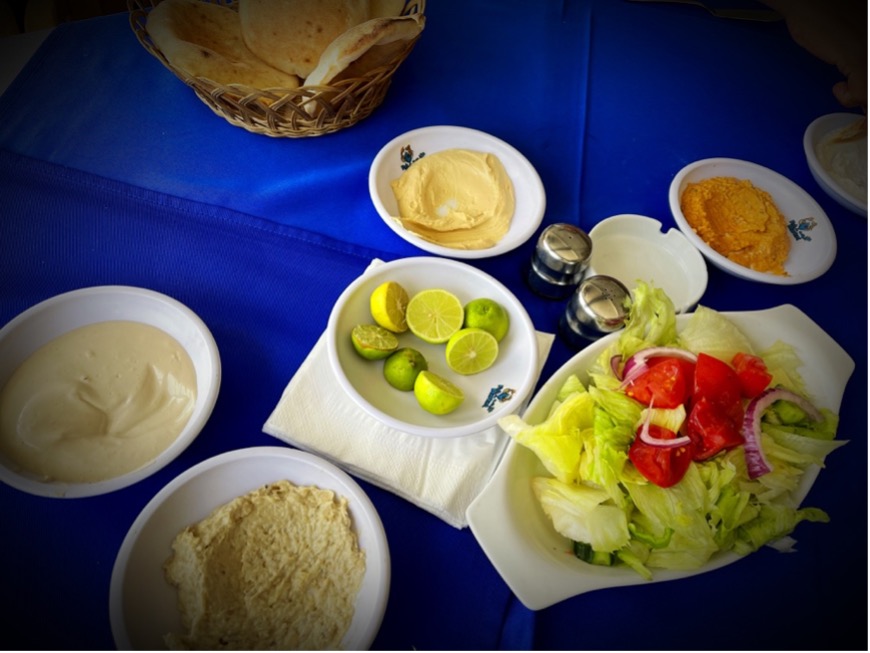
The famous Fish Market Marine restaurant. We had a delicious lunch.
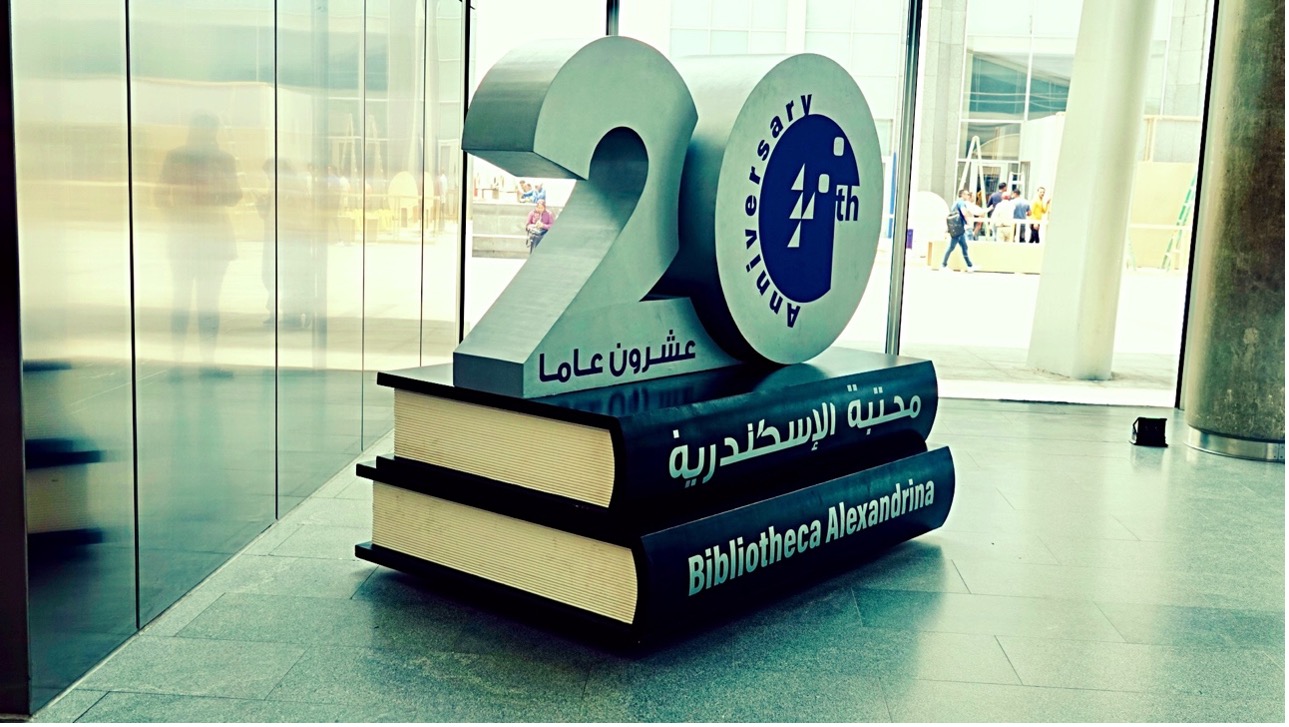
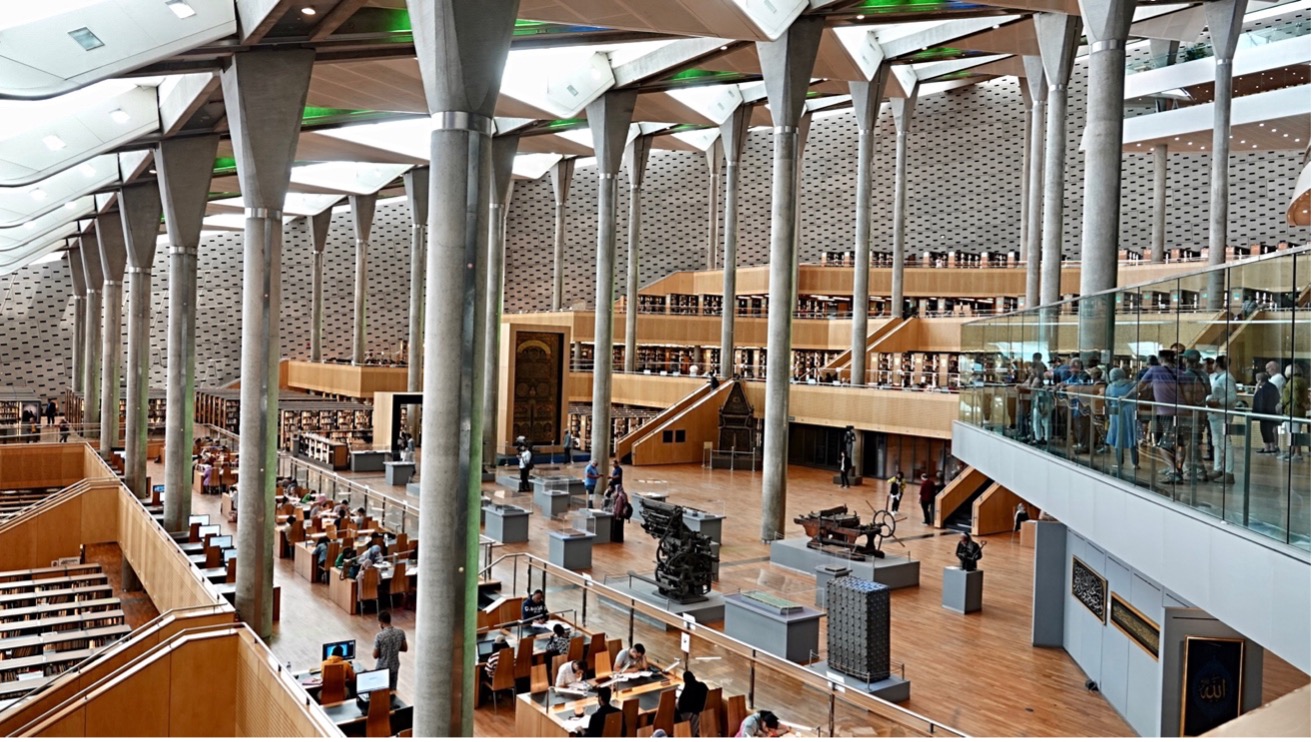
Library of Alexandria
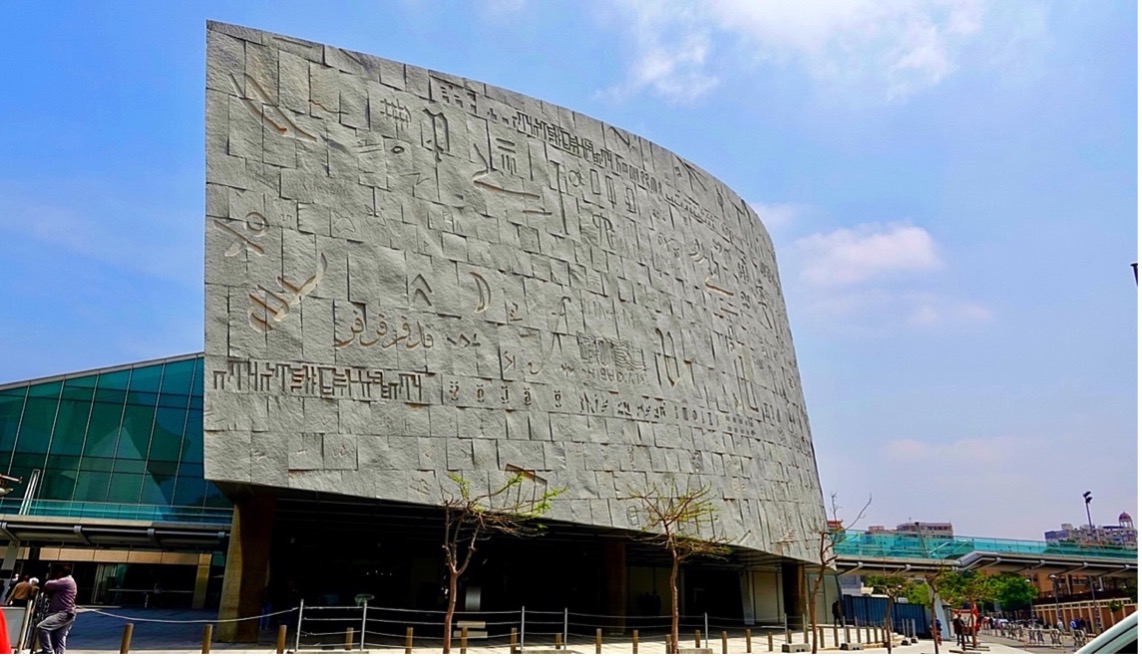
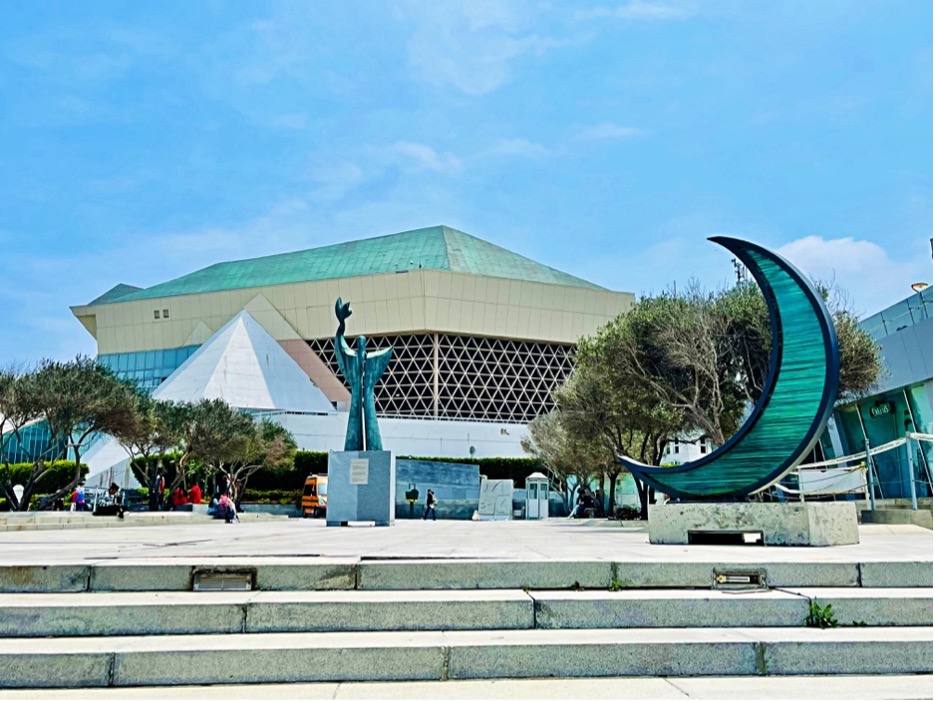
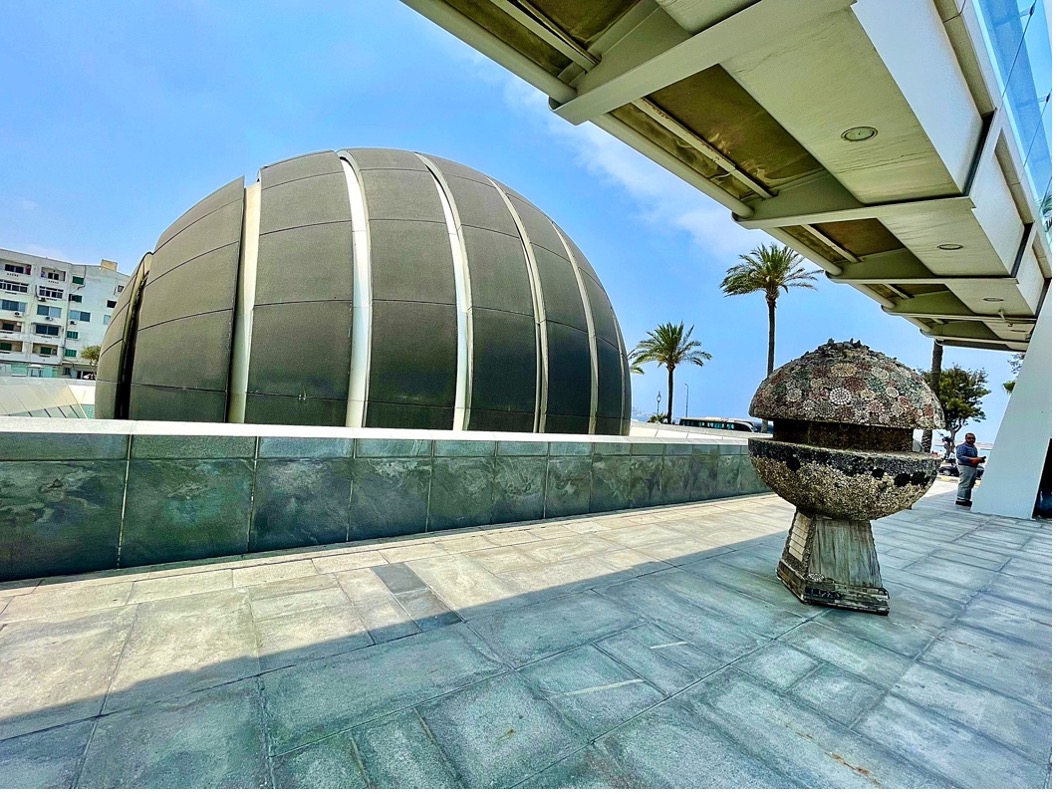
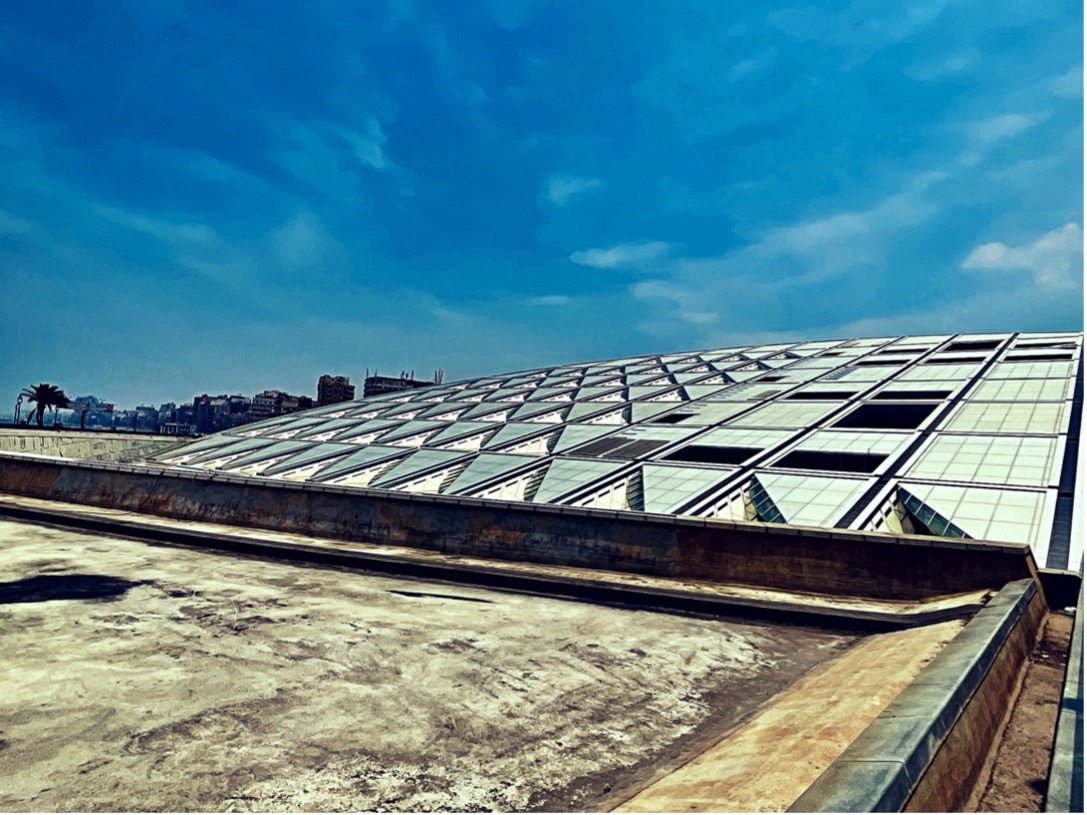
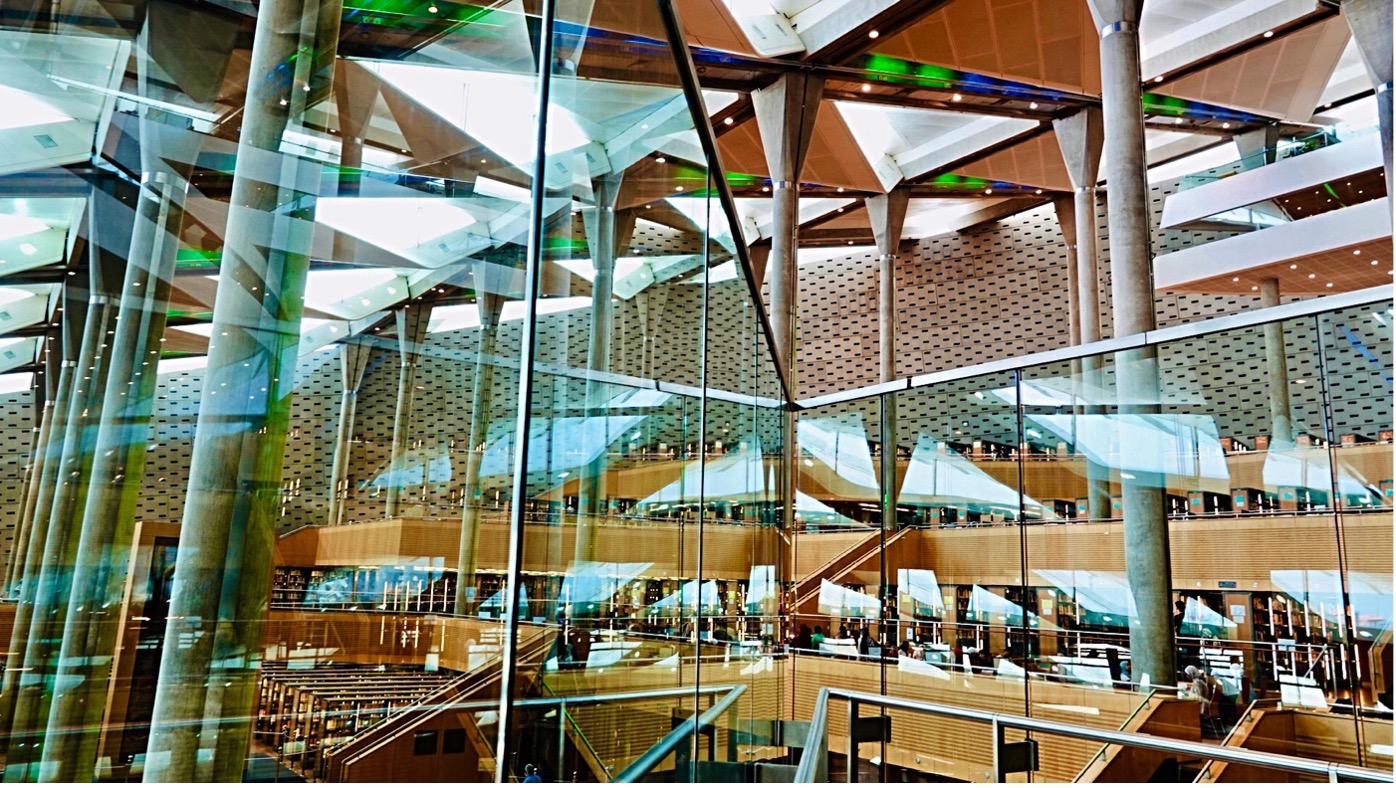
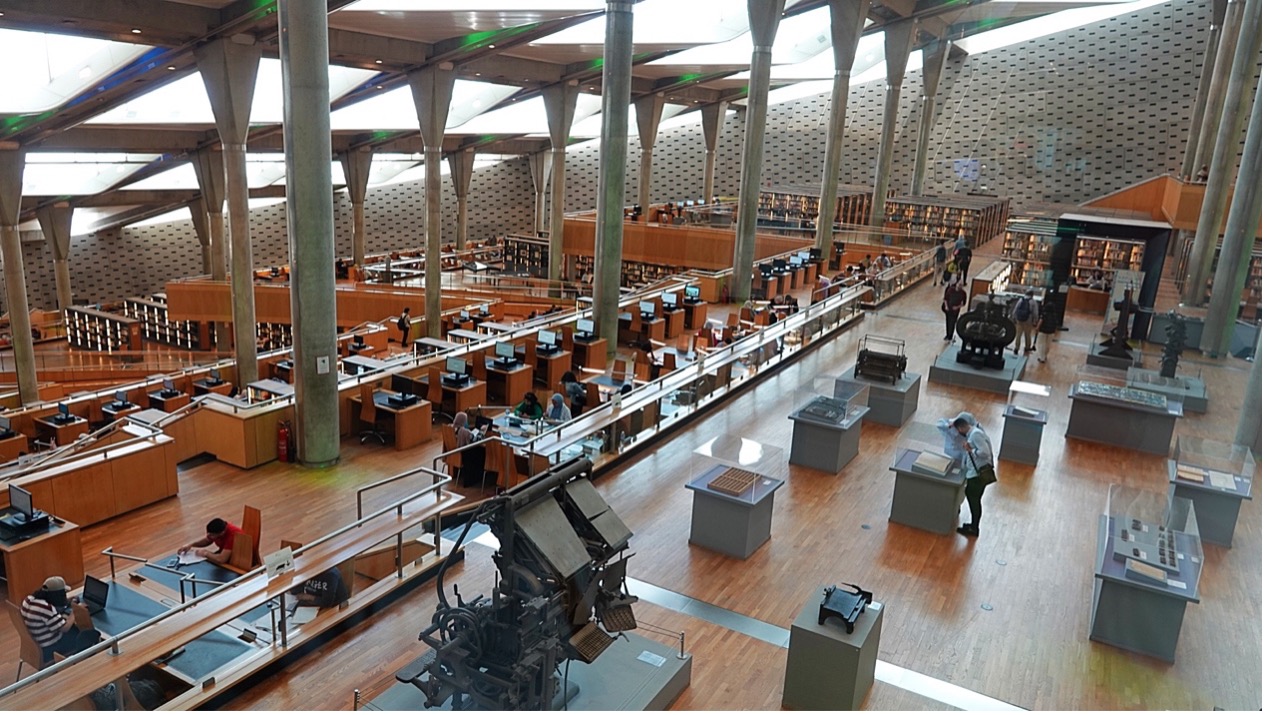
Our last stop in Alexandria was the library. The ancient Library of Alexandria was one of the largest and most significant research institutions of the classical world, serving as the preeminent global center for scholarship from its founding in the 3rd century BCE until its gradual decline and ultimate destruction. The library did not burn down in a single catastrophic event. It suffered multiple accidental fires and deliberate political attacks over centuries. The Modern Bibliotheca Alexandrina opened near the original site and is a massive 11-story circular cylinder tilted toward the Mediterranean Sea, meant to evoke a rising sun.
Two Different Sides of Egypt
Although El Fayoum and Alexandria can both be visited from Cairo, they revealed two very different sides of Egypt. El Fayoum felt quiet, rural and closely connected to the land. We passed farms, palm trees, villages and Lake Qarun before continuing into the vast desert landscape of Wadi Al-Hitan. There, surrounded by unusual rock formations and fossilized remains of ancient whales, it was remarkable to imagine that this dry desert had once been covered by a warm sea.
Alexandria offered an entirely different experience. Instead of peaceful farmland and open desert, we found a busy coastal city overlooking the Mediterranean. The Citadel of Qaitbay, the Catacombs of Kom el Shoqafa, Pompey’s Pillar and the modern Bibliotheca Alexandrina reflected the city’s fascinating mixture of Egyptian, Greek, Roman and Islamic history. The sea views and Mediterranean atmosphere made Alexandria feel unlike any other place we visited in Egypt.
Together, these two excursions showed us just how diverse Egypt can be. El Fayoum introduced us to its rural landscapes, natural history and desert beauty, while Alexandria revealed its maritime heritage and multicultural past. Both were memorable, but for completely different reasons, and each helped us see that there is much more to Egypt than Cairo, the pyramids and the Nile.
Pink Bear Retirement Vacation Rating
 Retirement Comfort Level: 7/10 Wadi Al-Hitan involved a lot of walking in sandy terrain in the heat
Retirement Comfort Level: 9/10 Alexandria involved a lot of walking but on paved surfaces with plenty of places for a break
Adventure Level: Mild to Moderate
Pink Bear Approved: Yes, just be aware of the heat and sandy walking at Wadi Al-Hitan
Final Thoughts and Tips
Our journey through Egypt far exceeded our expectations, and these two day trips were no exception. We thoroughly enjoyed discovering the many different landscapes, historical periods, and ways of life found beyond Cairo.
Consider taking at least one day trip outside Cairo to gain a broader perspective on Egypt.
El Fayoum offers a glimpse of rural Egyptian life, while Wadi Al-Hitan provides a rare opportunity to see ancient whale fossils in their original desert setting.
Visiting Wadi Al-Hitan requires walking over sand in considerable heat. Wear lightweight clothing, comfortable shoes, sunglasses, a hat, and sunscreen, and carry plenty of water.
Alexandria offers an entirely different experience, combining Mediterranean scenery, ancient sites, a busy modern seaport, and layers of Egyptian, Greek, Roman, Christian, and Islamic history.
Both excursions require long days of driving from Cairo, but we felt that the experiences were well worth the travel time.